Frequently Asked Questions
Q: What connection types are available for these drilling buckets?
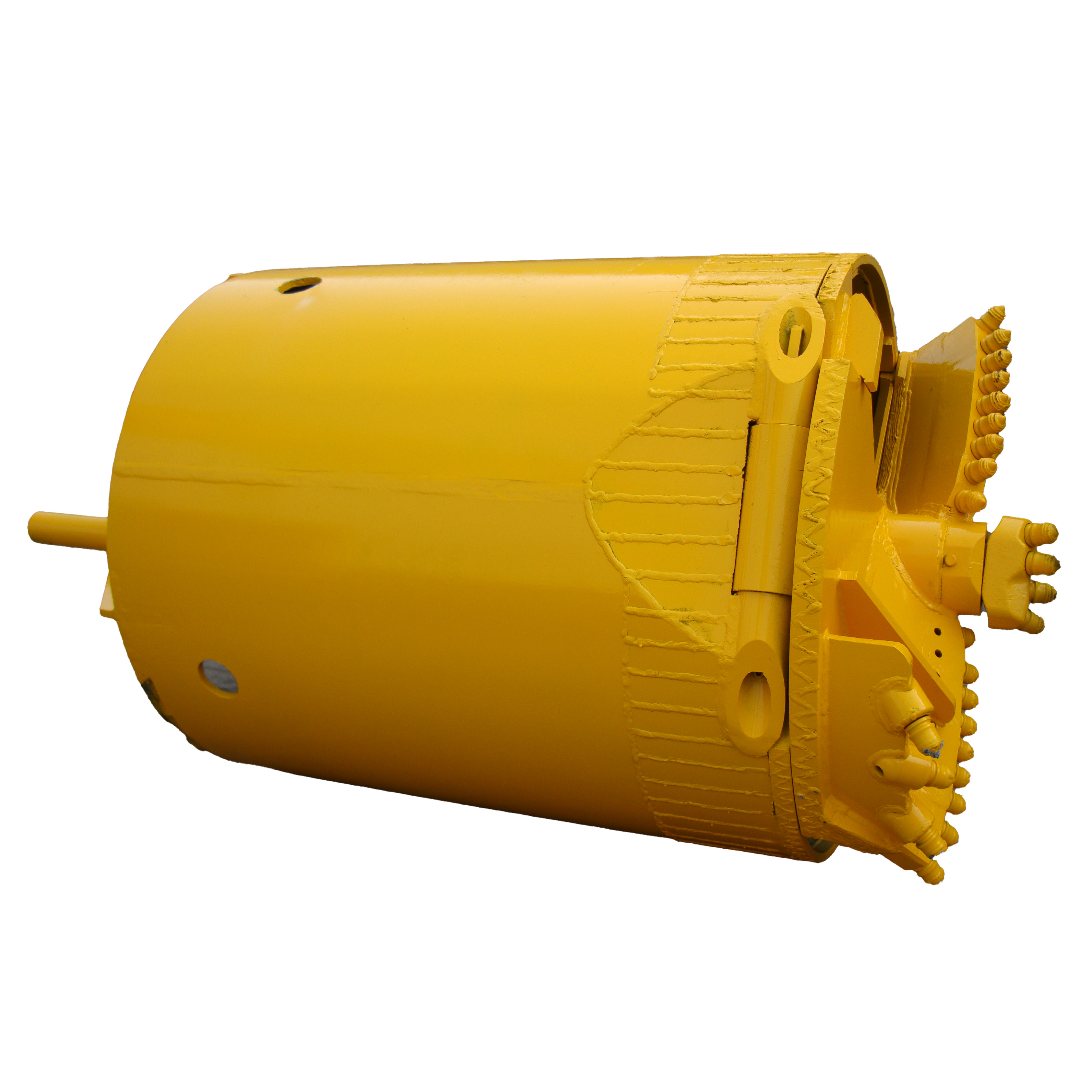
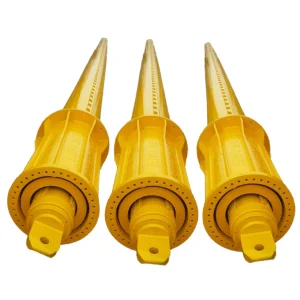
Standard models primarily feature Bauer connections to ensure high compatibility and robust torque transfer with leading rotary drilling rigs. Custom connections can also be configured upon request.
Q: How do I determine the appropriate teeth quantity for a specific diameter?
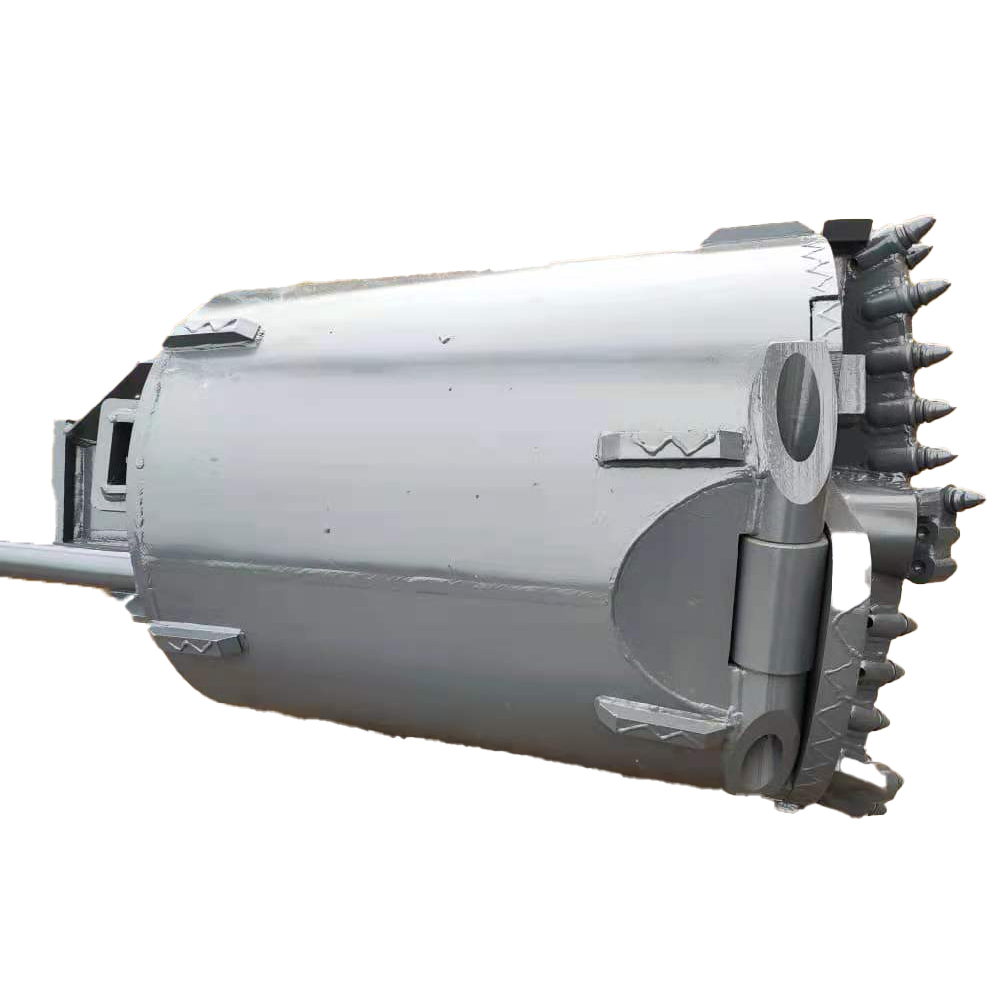
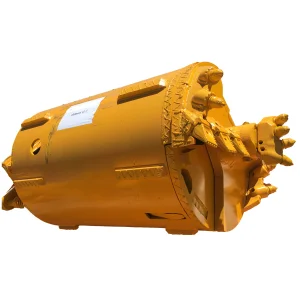
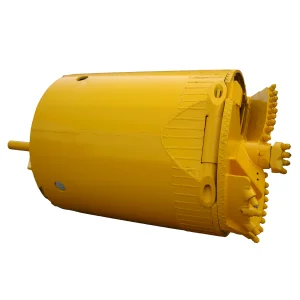
The teeth quantity scales with the bucket diameter and application type to optimize cutting efficiency. For example, a φ600mm bucket might use 2 to 11 teeth, while a heavy-duty φ2500mm rock bucket can integrate up to 40 teeth.
Q: What is the significance of the box-type base and cutting plates?
For larger diameters (like φ2500mm), a box-type structure (40mm thickness) is applied to the base and cutting plates. This configuration provides superior structural integrity and deformation resistance under high-torque drilling conditions.
Q: Why are there variations in weight for drilling buckets of the same diameter?
Weight variations are determined by different design parameters, including bucket height (ranging from 800mm to 1750mm), wall thickness (16mm or 20mm), cutting plate specifications, and the configured quantity of teeth.
Q: Are these specifications suitable for drilling in hard rock or soil?
Yes, the product specifications accommodate various geological conditions. Heavy-duty configurations with thicker cutting plates (50mm) and high teeth density are optimal for hard strata, whereas lighter configurations are suitable for cohesive soil and clay layers.
Q: How is the structural durability of the bucket wall ensured?
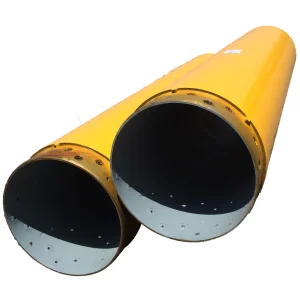
The bucket walls are constructed using high-strength steel plates with thicknesses of 16mm or 20mm, providing excellent wear resistance and long operational life under heavy abrasive pressure.
 SINOVO