In the world of drilling, choosing the right tools is crucial for project success. "Cone Drill Bits" have emerged as a preferred option among professionals. John Smith, a leading expert in drilling technology, emphasizes, “The precision and efficiency of Cone Drill Bits can transform any drilling task.” This statement highlights the importance of selecting the right drill bit for various applications.
Cone Drill Bits offer unique advantages in terms of design and performance. Their tapered shape allows for easier penetration through challenging materials. Users often report improved overall drilling speed. The reliability of these bits is well-documented, though some may question their long-term durability. It’s essential to consider different brands and quality levels available in the market.
Project managers might feel overwhelmed when choosing the right drill bit. While Cone Drill Bits provide efficiency, evaluating specific project demands and conditions is crucial. Missteps in selection can lead to unnecessary delays and costs. Thus, weighing pros and cons is vital for informed decision-making. Ultimately, the right choice can lead to enhanced productivity and better outcomes.
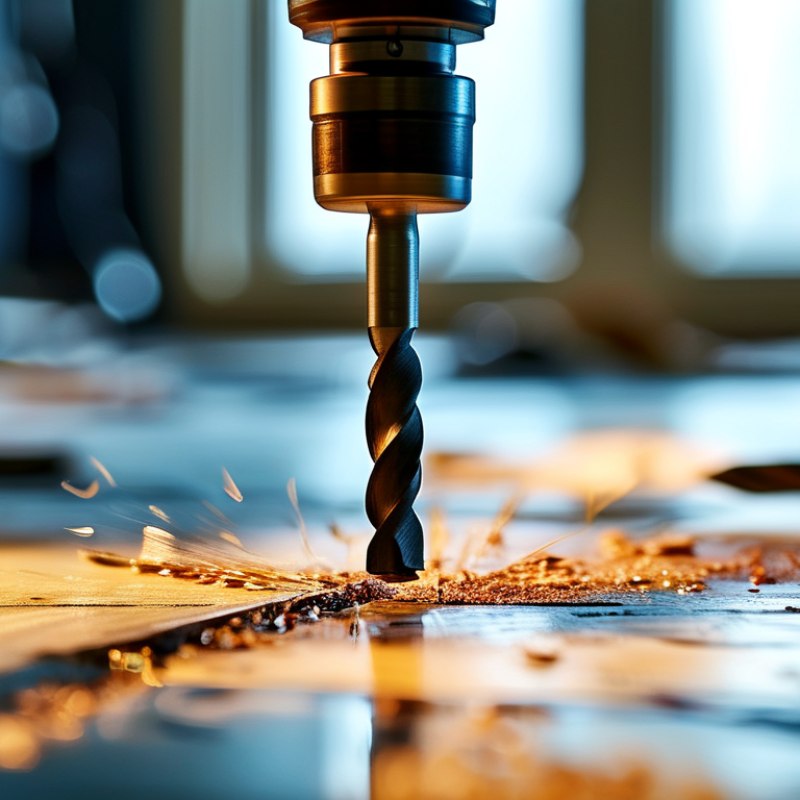
Cone drill bits are gaining traction across various industries due to their unique advantages. One major benefit is their efficiency in diverse drilling conditions. A report from the Society of Petroleum Engineers highlights that cone drill bits can improve drilling speed by nearly 30% compared to conventional bits. This increase allows for quicker project completions, beneficial for both time and cost management.
The durability of cone drill bits is another significant advantage. Their design helps them withstand high temperatures and pressure. Data from drilling performance studies show they maintain integrity and performance under challenging conditions. As a result, they reduce the risk of bit failure. Such reliability is vital in sectors like oil and gas, where downtime can lead to considerable financial losses.
Versatility is a key characteristic of cone drill bits. They are suitable for various materials, including rock and soil types. However, some challenges remain, such as ensuring optimal bit selection based on geological conditions. Understanding these parameters can enhance performance. While many users report improved drilling experiences, others note the importance of proper training for drill operators in maximizing bit effectiveness.
Cone drill bits are renowned for their unique design features, which enhance drilling performance in various applications. The cone shape of these bits allows for efficient penetration into hard surfaces. This design minimizes friction and maximizes stability during operation. As a result, users can achieve deeper and faster drilling with less wear on the equipment.
The multiple conical cutters on cone drill bits create a larger cutting surface. This allows the bit to handle different materials effectively. The arrangement of the cones can vary, but they are often strategically positioned to optimize performance. However, one might find that the complexity of design can lead to challenges in maintenance. Proper care is essential to ensure the longevity of the bits.
While cone drill bits offer many benefits, they are not without limitations. Their effectiveness can diminish in softer soils due to excessive wear on the cutting edges. Understanding the specific needs of your project is vital for selecting the right drill bit. Sometimes, a different type of bit may perform better. Reflecting on these aspects can lead to improved choices and outcomes in drilling projects.
Cone drill bits are gaining traction in the drilling industry, thanks to their unique design and efficiency. Unlike traditional drill bits, which often rely on sharp edges to cut through materials, cone drill bits feature a conical shape with multiple cutting surfaces. This design allows for better stability and improved penetration rates, especially in challenging formations. According to a report by the International Association of Drilling Contractors, cone bits can offer a 25% increase in drilled footage compared to conventional bits.
When it comes to durability, cone drill bits also have an edge. The rolling action of the cones reduces wear and tear, prolonging the tool's life. Many industry reports suggest that cone bits have the potential to last up to 30% longer than standard drill bits. This translates to less downtime for bit changes and increased efficiency for drilling operations. However, the upfront cost of cone drill bits can be higher, presenting a dilemma for some project managers.
The adaptability of cone drill bits is another noteworthy factor. They can be customized for various geological conditions, making them versatile tools. However, settling on the right configuration requires experience and understanding of the drilling environment. Some operators may find it challenging to switch from traditional methods to using cone bits due to their distinct operational approaches. The decision to use cone drill bits should stem from careful consideration of project requirements and cost-benefit analyses, acknowledging that not every situation warrants a switch.
Choosing the right cone drill bit is crucial for the success of your project. Start by evaluating the material you'll be drilling into. Cone drill bits excel in various applications, from wood to concrete. According to industry reports, hard rock applications can benefit from diamond-tipped bits, which provide superior durability and longevity. This option is ideal for heavy-duty tasks where precision is paramount.
Consider the size and angle of the cone as well. Bits come in different diameters and angles, impacting the hole shape and depth. Research indicates that a 90-degree angle is often preferred for smooth, precise holes. You might notice that a larger diameter bit removes material efficiently but can cause more wear on the drill. Take the time to analyze your project requirements; the right choice can prevent costly mistakes.
Don’t forget about the rotational speed and feed rate. These factors influence the bit's performance significantly. If the feed rate is too high, overheating can occur. Conversely, too low a speed may lead to inadequate drilling. Adjustments can be necessary as you go along. These aspects highlight the need for adaptability and careful monitoring during the drilling process.
Cone drill bits are essential for many projects, providing effective drilling in various materials. To maximize their longevity, proper maintenance and care are crucial. Keeping these tools in optimal condition can significantly impact their performance and your project's success.
Regularly inspect your cone drill bits for signs of wear. Look for chips, cracks, or dull edges. Addressing these issues early can prevent further damage. Clean the bits after each use by removing debris and dust. A simple brushing can do wonders. Use a mild detergent if necessary, but avoid harsh chemicals that may degrade the material.
Proper storage is vital for maintenance. Store your bits in a moisture-free environment to prevent rust. Use protective cases or pouches to guard against physical damage. Always keep them organized for easy access. If you notice uneven wear patterns, it might be worth reflecting on your drilling technique. Adjusting your approach can enhance performance and prolong lifespan.
This chart showcases the average lifespan of different types of drill bits based on regular maintenance and care. Maintaining cone drill bits properly can significantly enhance their longevity compared to standard options.
: Cone drill bits improve drilling speed by nearly 30%. They are efficient in diverse drilling conditions.
They withstand high temperatures and pressure. Their design helps reduce the risk of bit failure.
Yes, they are suitable for various materials like rock and soil. Bit selection should match geological conditions.
Regularly inspect for wear, chips, or cracks. Cleaning after each use can enhance performance significantly.
Store bits in a moisture-free environment. Use protective cases to prevent physical damage.
Check for chips, cracks, or dull edges. Early detection can prevent further damage and loss of efficiency.
Clean bits by brushing off debris and dust. Mild detergents are fine, but avoid harsh chemicals that cause damage.
Uneven wear patterns may indicate issues. Reflecting on your drilling approach can help prolong bit lifespan.
Poor maintenance can lead to decreased performance. It may result in project delays and increased costs.
Yes, training maximizes bit effectiveness. Untrained operators may not use the bits to their full potential.
Cone drill bits are becoming increasingly popular in various applications due to their unique design features and numerous benefits. Their conical shape allows for efficient drilling in tough materials, making them ideal for projects that demand precision and durability. Compared to traditional drill bits, cone drill bits offer superior performance, especially in challenging environments. Understanding their design helps users appreciate the advantages they bring in specific applications.
When selecting the right cone drill bit for a project, several factors should be considered, including material compatibility, size, and the intended use. Proper maintenance and care are also crucial for enhancing the longevity of cone drill bits, ensuring they remain effective over time. By investing in quality cone drill bits and following best practices, users can achieve optimal results for their drilling needs.

SINOVO