Why Choose a Mud Drill Mixer for Your Project?

Time:2026-11-13 Author:Charlotte
0%

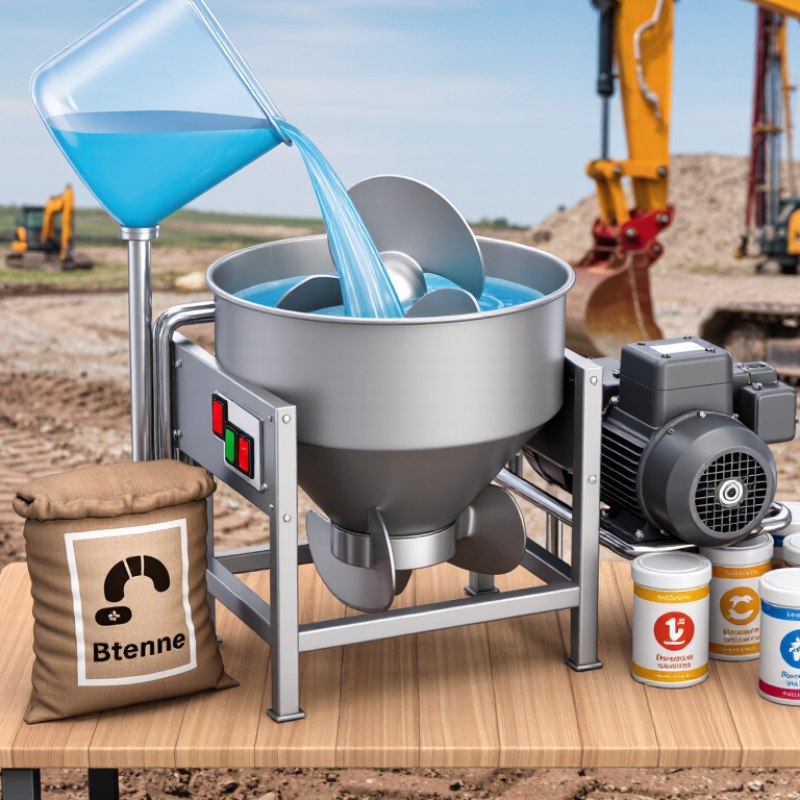
Choosing the right mixing equipment can affect drilling-fluid consistency, setup time, and daily work on site. A Mud Drill Mixer helps combine water, bentonite, and other approved additives into a more uniform drilling fluid. This matters when crews need steady flow through a drill system and want to reduce dry clumps that can slow preparation.

The right model depends on more than motor power. Consider tank capacity, the fluid’s viscosity, available power, and how often the mixer will run. A compact unit may suit small jobs, while larger projects may need more capacity and a mixer designed for extended use. Check the manufacturer’s specifications, installation guidance, and maintenance requirements before choosing. Simple details count: a stable frame, accessible controls, and parts that are easy to clean can make routine work safer and less frustrating.

No mixer can compensate for poor fluid planning or unsuitable operating conditions. Results vary with the materials, water quality, and mixing procedure. That caveat is easy to overlook. Compare equipment against the actual demands of your project, and consult the supplier when specifications are unclear. A careful choice can support reliable preparation, but it is worth reviewing the setup after the first few batches. One project’s ideal mixer may be excessive—or underpowered—for the next.
Why Choose a Mud Drill Mixer for Your Project?

What a Mud Drill Mixer Is and How It Works

A mud drill mixer is a powered tool used to blend water with drilling additives into a workable slurry. It usually pairs a drill motor with a mixing paddle that moves fluid through a bucket or tank. As the paddle turns, it pulls water and powder into circulation, helping disperse the material and break up clumps. The goal is an even mixture that can support the bore and carry cuttings toward the surface. Simple in principle. The right paddle size and speed depend on the batch volume and material.

For a small batch, place the paddle below the water surface and add powder gradually while mixing. This reduces dust and helps prevent dry pockets along the bottom of the container. Avoid pushing the tool too hard; excessive speed can splash slurry over the rim without improving the blend. A common mistake is judging the mix by appearance alone. Check the required consistency using the project’s specifications, since water quality and additive ratios can change the result. It takes a little patience. Even a well-mixed batch may need time to hydrate before use.

The Role of Mixing in Drilling Fluid Preparation

Drilling fluid does more than carry cuttings. It cools the bit, supports the borehole, and helps control pressure. These functions depend on a consistent mixture. A mud drill mixer helps disperse bentonite and other approved additives through the water, reducing dry pockets and uneven concentrations. Look closely at the tank: floating powder or stubborn clumps can signal poor wetting or an incorrect addition rate. Small details matter.

Mixing is a process, not a switch. Add materials gradually, following their handling guidance, and allow enough time for hydration before judging the fluid. Water quality, temperature, mixer speed, and tank circulation can all affect the result. A sample that looks smooth at the surface may still vary deeper in the tank, so check more than one point when practical. Measure properties such as density and viscosity with suitable, maintained tools, then adjust in small steps. More agitation is not always better; excessive mixing can waste energy and may introduce unwanted air. Even a good setup has limits. The operator still needs to observe, test, and record changes as ground conditions shift.

Why Choose a Mud Drill Mixer?

The Role of Mixing in Drilling Fluid Preparation

A practical mixing sequence starts with water, followed by bentonite and other additives, then weighting material such as barite when required. Effective mixing helps disperse solids and additives throughout the fluid. The exact formulation and operating procedure depend on the well, fluid system, and product specifications.

Key Benefits of Using a Mud Drill Mixer

A mud drill mixer helps turn dry bentonite or other drilling additives into a more even slurry. Its rotating paddle moves material through the water, reducing stubborn clumps and dry pockets. That matters when a crew needs predictable fluid around a bore. A consistent mix can make circulation easier to manage and reduce time spent breaking apart lumps by hand. Less rework.

On a compact jobsite, a portable mixer can be set near the water tank, keeping hoses and bags within reach. Adjustable speed gives operators more control: start slowly to limit dust and splashing, then increase mixing as the slurry thickens. Batch size still matters. Mixing too much at once can strain equipment or leave material sitting longer than intended. A mixer also cannot correct a poor additive ratio or unsuitable water, so measure carefully and follow the material supplier’s instructions. I’ve seen the tool treated as a shortcut; it is better understood as a way to make a sound mixing process more repeatable. Rinse the paddle and container after use, before residue hardens.

Why Choose a Mud Drill Mixer for Your Project? – Key Benefits of Using a Mud Drill Mixer

Benefit or Factor How It Works Practical Project Value Important Consideration
More consistent mixing A rotating paddle or mixing attachment circulates water and drilling-fluid materials in a mixing container. Helps disperse bentonite and other suitable additives more evenly than stirring by hand. Follow the fluid supplier’s mixing instructions; the mixer does not guarantee a particular fluid property.
Less manual effort Powered rotation does much of the agitation that would otherwise require manual stirring. Can make preparing drilling fluid less physically demanding, particularly when mixing repeatedly. The operator still needs to control the tool, add materials safely, and avoid overloading the mixer.
Convenient on-site preparation A portable drill and suitable mixing attachment can be used at a mixing container near the work area. Provides a practical option for preparing fluid where it is needed, subject to access to power or a charged battery. Check the drill’s power, chuck compatibility, and suitability for continuous mixing before use.
Flexible batch preparation The batch size is determined by the container, mixer, drill capacity, and the fluid-mixing instructions. Allows crews to prepare a quantity suited to the task instead of relying on one fixed batch size. Do not exceed the container’s safe working capacity or the equipment’s rated limits.
Useful for staged addition of materials Materials can generally be introduced gradually while the fluid is agitated, as directed by the product instructions. Controlled addition can help wet and disperse powdered additives and reduce dry clumps. Add powders carefully to limit dust and splashing; use appropriate personal protective equipment.
Potentially simpler cleanup A removable mixing attachment can be cleaned after use, and the container can be rinsed where permitted. Routine cleaning helps limit dried residue and cross-contamination between batches. Collect and dispose of drilling-fluid waste according to local requirements; do not discharge it into drains or waterways.
Best suited to smaller-scale mixing needs A drill-powered mixer is typically used for batches compatible with the drill, attachment, and container. Can suit small drilling jobs, maintenance tasks, and other work that needs prepared drilling fluid on site. Large-volume or continuous operations may require purpose-built mixing equipment with a capacity matched to the job.

Projects and Conditions Suited to Mud Drill Mixers

Mud drill mixers suit projects that need fresh, consistent drilling fluid close to the bore. They are commonly useful on water-well, geotechnical, and utility drilling sites, where crews mix bentonite or polymer fluids in controlled batches. A compact mixer can help when access is tight and hauling premixed slurry is impractical. It also works well for short runs, where a large mixing plant may be excessive. Small batches matter.

Site conditions matter as much as project type. The mixer needs a stable, level setup, a dependable water source, and enough room to load dry material without dust blowing across the work area. On uneven or remote sites, check power availability, tank capacity, and cleaning access before mobilizing. Mud with changing solids content may need repeated testing; appearance alone does not reliably show viscosity. That step is easy to skip. It can cause trouble.

A mud drill mixer may be a poor fit when demand exceeds its rated output or continuous, high-volume mixing is required. Match the unit to expected hole depth, fluid recipe, batch size, and mixing time, then verify the mix using the method specified in the drilling plan. No mixer can compensate for poor water quality or inconsistent feeding. Allow extra time for initial batches; actual mixing can take longer than a specification sheet suggests.

Factors to Consider When Choosing a Mud Drill Mixer

Choosing a mud drill mixer starts with the fluid, not the motor rating. Estimate batch size, expected viscosity, and mixing time from the actual drilling plan. A small tank can force repeated batches; an oversized tank may leave material sitting too long. Check that the mixer can maintain circulation without pulling air into the fluid. Air can distort density readings and make field adjustments less dependable.

Bentonite yield is a useful sizing reference. API Specification 13A gives a minimum yield benchmark of 91.9 barrels per ton under its prescribed test conditions. That figure is not a promise of identical field performance: water quality, mixing sequence, and hydration time matter. Match the mixer’s impeller and shaft to the material, and confirm the tank geometry allows solids to reach the mixing zone. Watch for settled powder at the bottom. It is easy to miss.

Also consider power supply, portability, cleanout access, and operator protection. API Recommended Practice 13B-1 describes field tests including density, viscosity, and filtration; use these measurements to compare batches, rather than judging by appearance alone. A mixer that is simple to inspect may save downtime, though the easiest unit to move is not always the best for a demanding fluid. I would verify performance with the project’s actual mix before committing.

FAQS

What does a mud drill mixer do?

It blends water and drilling additives with a rotating paddle. The motion helps disperse powder and break up clumps.

How should I add dry material?

Place the paddle below the water surface. Add powder gradually while mixing to reduce dust and dry pockets.

Can I mix at high speed to save time?

Not necessarily. Excessive speed can splash slurry over the container without improving the blend.

How can I tell whether the fluid is ready?

Check its consistency using the project’s specified method. Appearance alone can be misleading.

When is a compact mixer useful?

It can suit small batches, tight access, and short drilling runs. Small batches matter.

What site conditions should I check before moving a mixer?

Check for level ground, reliable water, suitable power, enough loading space, and practical cleaning access.

How do I choose the right mixer size?

Estimate batch volume, fluid thickness, and mixing time from the drilling plan. A small tank may require repeated batches.

Does a good mixer guarantee consistent drilling fluid?

No. Water quality, feeding, and hydration time also affect the result. I would test the actual mix before relying on it.

Conclusion

A Mud Drill Mixer is a practical tool for blending drilling fluid into a consistent mixture before and during a project. By combining water, clay, and other suitable additives through controlled agitation, it helps disperse materials evenly and reduce lumps. Proper mixing matters because the fluid’s consistency affects its ability to support the bore, carry cuttings, and perform reliably under changing ground conditions.

Mud drill mixers can save preparation time, improve mixing uniformity, and reduce manual effort. They are useful for small to medium drilling work, including projects where equipment needs to be portable or setup space is limited. When selecting a mixer, consider the required mixing capacity, motor power, operating speed, portability, durability, and compatibility with the drilling fluid and job conditions. The right choice can help make fluid preparation more efficient and support smoother project operations.


Charlotte

Charlotte

Charlotte is a seasoned marketing professional with a deep understanding of the company's portfolio and a passion for elevating its presence in the market. With a keen eye for detail and a commitment to excellence, she ensures that our professional blog is regularly updated with insightful articles......