Water is a precious resource, vital for life and development. However, many regions face water scarcity. "Water Drilling is crucial for accessing clean water," states Dr. Emily Harrison, an expert in water resource management. Her insights emphasize the importance of this practice in sustainable development.
Water drilling allows communities to tap into underground water sources. This access mitigates the impacts of droughts and improves public health. Without reliable water, schools and hospitals struggle to function. Yet, challenges remain. Not all drilling projects are sustainable. Over-extraction can lead to environmental degradation. Balancing needs and natural resources is essential.
In the face of climate change, innovative water drilling techniques can make a difference. Yet, the industry must prioritize accountability and environmental stewardship. As we move forward, the lessons from both successes and failures in water drilling will guide our efforts for a sustainable future.
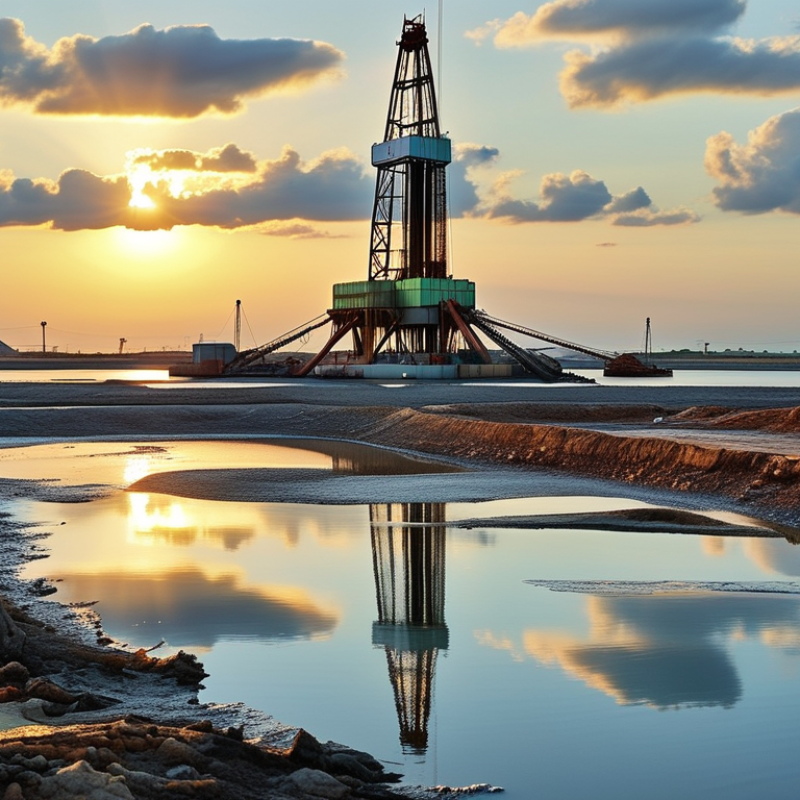
Access to clean water is fundamental for human health and development. According to the United Nations, approximately 2 billion people lack access to safe drinking water. This shortfall highlights the growing need for water drilling. It is a method essential for tapping into underground aquifers, which can provide a reliable water source for communities.
The global population is projected to reach nearly 10 billion by 2050. This increase will exacerbate current water scarcity issues. In many regions, traditional surface water sources are no longer sufficient. Studies reveal that over 70% of the world's freshwater resources are used for agriculture. As demand rises, water drilling becomes critical. It enables farmers to irrigate crops, ensuring food security.
Despite its necessity, water drilling faces challenges. Issues like over-extraction can lead to aquifer depletion. In some areas, pollution threatens groundwater quality. A balance must be struck between sustainable extraction and environmental preservation. Innovative technologies and careful management strategies are crucial for future success. Addressing these challenges is imperative for meeting global water needs sustainably.
Water drilling plays a vital role in promoting agricultural sustainability. Access to water through drilling helps farmers maintain crop growth, especially in arid areas. Drilling provides reliable water sources, ensuring irrigation all year round. This stability allows farmers to cultivate diverse crops, improving food security.
However, reliance on water drilling is not without challenges. Over-extraction can deplete groundwater supplies. Farmers must be aware of their water usage. Sustainable practices, such as crop rotation and efficient irrigation systems, are essential. These methods not only conserve water but also enhance soil health and crop yields.
Monitor your water usage carefully. Implement rainwater harvesting systems to supplement drilled water. Experiment with drought-resistant crops to minimize dependence on drilling. Consider integrating advanced technologies for precision irrigation. These steps can foster a more sustainable agricultural future.
Water drilling plays a crucial role in fostering economic development, particularly in arid regions. Reliable access to clean water enhances agricultural productivity and food security. According to the World Bank, agriculture accounts for 70% of global water use. In areas where water scarcity exists, drilling can provide vital resources for irrigation. Increased irrigation leads to higher crop yields, supporting local economies.
Furthermore, access to potable water boosts public health. The United Nations reports that water-borne diseases account for over 4 billion cases of illness yearly. By drilling for groundwater, communities can reduce disease prevalence. This, in turn, lowers healthcare costs and increases workforce productivity. A well-implemented water drilling program can create job opportunities, benefitting various sectors from construction to maintenance.
However, challenges remain. Over-extraction of groundwater can lead to depletion of water tables. Some regions face contamination issues from drilling practices. Monitoring and regulation must improve to ensure sustainability. Balancing water extraction with conservation is essential for long-term success. Sustainable water drilling practices can catalyze economic growth while protecting vital resources.
Water drilling plays a vital role in sustainable development, but it comes with numerous challenges. Accessing clean water requires significant resources. Drilling in remote or difficult terrains often leads to setbacks. Communities may face declining water tables due to over-extraction. This imbalance creates tension among users and harms ecosystems. Managing these resources sustainably demands careful planning and collaboration.
To enhance drilling success, consider local geological studies. Understanding soil type and water flow can prevent costly mistakes. Engaging with local communities is crucial. They provide cultural insights and practical knowledge about water sources. A collaborative approach fosters trust, leading to better outcomes.
The balance between extraction and conservation remains delicate. Drilling too aggressively can deplete underground water reserves. Future generations depend on today’s decisions. Awareness of water conservation practices is necessary. Regularly assessing water quality and availability helps ensure sustainability. Engaging in education can empower communities to make informed choices regarding their water use.
Innovations in water drilling techniques are crucial for sustainable development. The concept of water scarcity affects over 2 billion people globally. Advanced drilling technologies emerge as a solution to this pressing issue. For instance, rotary drilling and hydraulic fracturing show increased efficiency in reaching deep aquifers. A report by the World Bank indicates that investing in modern drilling can enhance water supply by up to 30%.
Another significant innovation is the use of smart sensors in drilling machines. These devices monitor groundwater levels, ensuring sustainable extraction. According to a recent study, real-time data analytics can reduce over-extraction by 40%. However, there remains a gap in the adoption of these technologies worldwide. Many regions still rely on outdated methods, risking ecosystems and water quality.
While the advancements are promising, challenges persist. Not all communities can access these innovations due to financial constraints. Additionally, technical knowledge is lacking in many developing areas. Addressing these limitations is essential for realizing the full potential of modern water drilling technologies. Finding a balance between innovation and accessibility is crucial to ensure a sustainable future.
| Technique | Description | Benefits | Environmental Impact |
|---|---|---|---|
| Rotary Drilling | A method that uses a rotating drill bit to create boreholes. | High efficiency in depth drilling; suitable for various terrains. | Minimal surface disruption and ecological impact. |
| Direct Push Technology | A method that uses hydraulic force to push a sampling tool into the ground. | Low cost and quick deployment; ideal for obtaining soil and groundwater samples. | Reduced noise and truck traffic compared to traditional methods. |
| Sonic Drilling | A technique that uses high-frequency vibrations to create boreholes. | Rapid and accurate drilling; preserves the integrity of mud and soil samples. | Minimizes waste generation and energy consumption. |
| Geothermal Drilling | A method to access geothermal energy sources by drilling deep into the earth. | Sustainable energy solution, reducing reliance on fossil fuels. | Lower carbon footprint compared to conventional energy sources. |
| Hydrofracturing | Injecting high-pressure water to create new fractures in rock formations. | Improves water access by enhancing existing aquifers. | Potentially lowers the risk of groundwater depletion. |
: Water drilling provides reliable irrigation, essential for crop growth in arid regions. It improves food security.
Over-extraction can deplete groundwater supplies. Farmers need to monitor their water usage closely.
Implementing crop rotation and efficient irrigation systems helps conserve water and enhance soil health.
It increases agricultural productivity, boosts public health, and reduces disease prevalence, benefiting local economies.
Access to clean water decreases water-borne diseases, lowering healthcare costs and enhancing productivity.
Advanced technologies like rotary drilling and smart sensors enhance efficiency and monitor groundwater levels.
Financial constraints and a lack of technical knowledge hinder the adoption of advanced drilling technologies.
Monitoring water levels and implementing regulations are vital to balance extraction with conservation efforts.
It can reduce over-extraction by 40%, promoting better management of water resources.
Not all regions can afford modern technologies, risking ongoing reliance on outdated practices.
Water drilling plays a crucial role in addressing the global water crisis, ensuring a sustainable supply of this vital resource for communities around the world. By facilitating access to clean water, water drilling is instrumental in meeting the increasing demand for water, particularly in regions facing water scarcity. Furthermore, it significantly contributes to agricultural sustainability by providing reliable irrigation sources, thereby enhancing food security and supporting local economies.
However, challenges such as resource management, environmental impacts, and the need for innovative technologies persist in the water drilling sector. The development of advanced water drilling techniques is essential for improving efficiency and sustainability, ensuring that this practice can support not only the immediate needs of populations but also long-term economic growth and environmental stewardship. Emphasizing the importance of water drilling is critical for fostering a sustainable future where water resources are managed responsibly.

SINOVO