China has become a significant source of drilling tools for mining, construction, geological exploration, and industrial machining. Among these products, the Ball Drill Bit is valued for its rounded cutting profile, stable contact, and suitability for selected hard-material applications. However, choosing a manufacturer requires more than comparing website prices or impressive product photographs.
This guide examines leading Chinese Ball Drill Bit manufacturers through practical and verifiable criteria. These include material selection, carbide or diamond quality, production equipment, dimensional consistency, and inspection procedures. Factory experience also matters. A supplier that understands rock hardness, drilling speed, cooling needs, and tool wear can provide more useful recommendations than a simple trading company.
Evidence matters most.
Reliable manufacturers should explain their production process clearly. They should provide technical drawings, sample-testing options, batch records, and responsive after-sales support. Certifications can strengthen credibility, but certificates alone do not prove consistent performance. Buyers should request test data, inspect packaging, and compare results under similar working conditions.
No ranking is completely flawless. Product quality may vary between models, batches, and application environments. Some companies communicate well but offer limited customization. Others have strong workshops but weak international support. This article therefore focuses on balanced evaluation rather than exaggerated claims. It introduces manufacturers that show meaningful capabilities, while encouraging buyers to confirm specifications independently before placing an order. That small step can prevent costly mismatches in diameter, hardness, thread design, or service life.
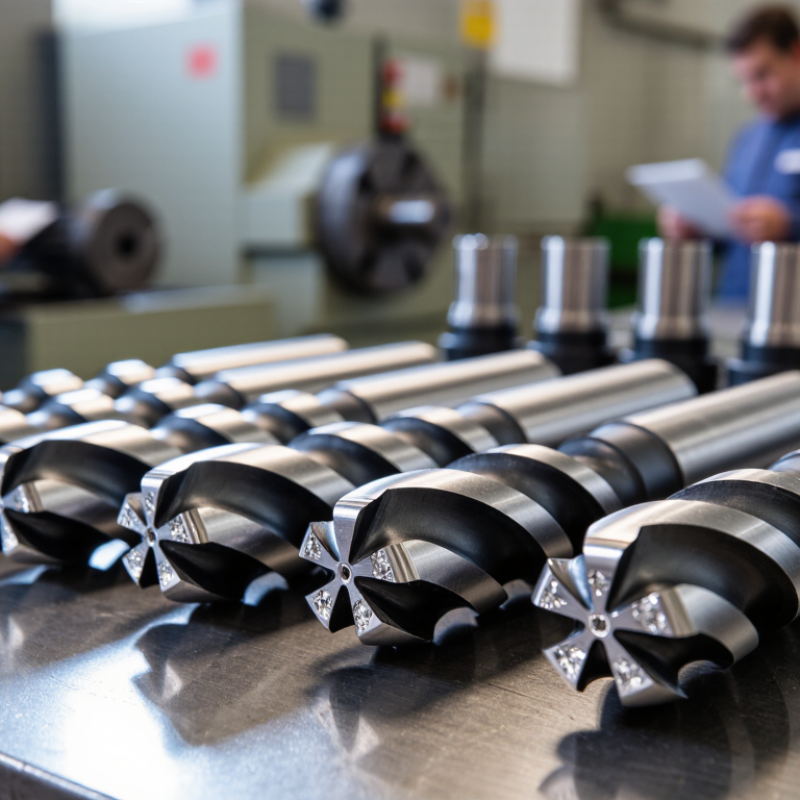
Ball drill bits are rotary cutting tools with a rounded, ball-shaped tip. Their geometry helps create smooth holes, rounded cavities, and controlled openings in hard materials. They are commonly used on glass, stone, ceramic tile, concrete, and some composite panels.
The cutting edge may use diamond grit, carbide, or another wear-resistant material. Diamond-coated versions suit glass and porcelain because they resist abrasion during slow drilling. A water feed can reduce heat, clear dust, and extend tool life. Start at low speed. Keep the bit steady. Excessive pressure can crack a tile or glaze.
In practical work, an installer may use a 6 mm ball bit for an anchor opening in porcelain, then enlarge it gradually. A larger bit can prepare curved recesses for plumbing or electrical fittings. The correct size, shank type, coating, and cooling method matter more than appearance. Chinese manufacturers are often assessed by grit consistency, dimensional accuracy, batch testing, and technical support. Reliable suppliers should provide material guidance and realistic service-life data.
Ball bits are not universal tools. They may wander on smooth surfaces, especially without a guide or pilot mark. I have found that rushed drilling causes more failures than poor equipment. That observation is imperfect, but useful. Test on a spare piece first, because surface hardness and thickness can vary even within one project.
Terminology note: “Ball drill bit” is sometimes used informally for a ball-nose cutter. A ball-nose cutter has a rounded cutting end and is generally used for milling curved surfaces, not for making a conventional drilled hole. The table below summarizes product features and practical criteria for evaluating manufacturers without naming companies or brands.
| Product or Evaluation Area | Typical Design or Material | Common Uses | Relevant Manufacturing Capability | Useful Quality Checks |
|---|---|---|---|---|
| Solid-carbide ball-nose cutter | Rounded cutting end; commonly made from cemented carbide, which combines hard carbide particles with a metallic binder. | Machining 3D contours, molds, dies, and curved surfaces in suitable metals and other machinable materials. | Consistent carbide blanks, precision flute grinding, and controlled tool geometry. | Cutting-diameter measurement, edge inspection, and checks for runout and surface finish. |
| High-speed-steel ball-nose cutter | Made from high-speed steel; generally tougher and less hard than carbide at elevated cutting temperatures. | General milling where the work material, machine setup, or operating conditions suit high-speed steel tooling. | Accurate grinding and heat-treatment control to maintain the intended hardness and toughness. | Hardness testing, dimensional inspection, and visual checks for grinding or heat-treatment defects. |
| Coated ball-nose cutter | A carbide or steel cutting tool with a surface coating, such as TiN or TiAlN; coating suitability depends on the work material and cutting conditions. | Applications where a suitable coating can improve wear resistance or reduce friction compared with an uncoated tool. | Appropriate coating preparation, consistent coating application, and control of coating thickness and adhesion. | Coating coverage and adhesion checks, along with dimensional and cutting-edge inspection. |
| Flute and cutting-edge geometry | Flute count, helix, rake, and relief geometry vary by tool design and intended work material. | Influences chip evacuation, cutting action, surface finish, and tool suitability for a particular operation. | Repeatable CNC tool grinding and geometry verification against the specified drawing or product standard. | Optical measurement of flute geometry, edge condition, and profile accuracy. |
| Tool runout and balance | Runout describes the variation in the cutting tool’s rotation relative to its axis; acceptable limits depend on the application and tool specification. | Important in precision machining because excessive runout can cause uneven cutting and affect tool life or surface finish. | Accurate shank grinding, suitable inspection equipment, and controlled handling during production. | Runout measurement using an appropriate gauge or instrument; verify against the agreed specification. |
| Manufacturer documentation and traceability | Product drawings, material information, inspection records, and lot identification support consistent purchasing and quality control. | Useful when qualifying a supplier, comparing quotations, or investigating a quality issue. | Documented production controls and a process for linking finished tools to production batches. | Review sample inspection reports, product specifications, and batch traceability before placing repeat orders. |
It is a rotary cutting tool with a rounded, ball-shaped tip. The shape creates smooth holes and curved cavities. It works on glass, stone, ceramic tile, concrete, and some composite panels.
Cutting surfaces may use diamond grit, carbide, or other wear-resistant materials. Diamond coatings suit glass and porcelain because they resist abrasion. Material choice affects durability and drilling performance.
Start at low speed and keep the bit steady. Use light pressure to reduce cracking and glaze damage. A 6 mm bit can create an anchor opening. Enlarge the hole gradually.
Water reduces heat and helps clear drilling dust. It can extend tool life during slow drilling. Use controlled water flow, not excessive flooding. The ideal amount depends on the material.
The bit may wander on smooth surfaces. A guide or pilot mark can improve control. Excessive pressure may crack tiles or porcelain. Rushed work often causes failures. That is not a perfect rule.
Check the diameter, shank type, coating, and cooling method. Match the bit to the material’s hardness and thickness. Appearance alone proves very little. Test on a spare piece before drilling the final surface.
Larger bits can prepare rounded recesses for plumbing or electrical fittings. They may also create controlled openings in hard panels. Measure the required depth carefully. A small error can affect fitting alignment.
Production usually involves several connected manufacturing layers. Upstream suppliers provide alloy steel bodies, carbide, brazing materials, and heat-treatment inputs. Midstream factories may handle forging, machining, grinding, assembly, and testing. Some workshops specialize in inserts or customized bit bodies.
Review carbide grade, tooth retention, runout tolerance, and batch records. Ask for realistic service-life data and material guidance. Field wear results matter more than polished catalogs. I may overlook some variations. Actual drilling feedback remains essential.
Ball Drill Bit is a specialized cutting tool designed with a rounded or ball-shaped working head, making it suitable for drilling, shaping, engraving, and precision finishing in materials such as metal, stone, wood, and selected composites. Its performance depends on factors including cutting geometry, material composition, surface treatment, size range, and compatibility with different drilling or rotary equipment. China’s manufacturing industry includes established industrial producers, specialized tool workshops, and custom-order suppliers serving both domestic and international buyers.
Leading Chinese manufacturers typically offer standard and customized Ball Drill Bit solutions, covering various diameters, shank styles, tooth patterns, coatings, and packaging options. Many also provide sample testing, technical consultation, quality inspection, and OEM or private-label support without compromising product consistency. Buyers should evaluate manufacturers by examining production equipment, raw-material standards, dimensional accuracy, durability, order flexibility, delivery reliability, export experience, and after-sales communication. Comparing samples, certifications, inspection records, and total purchasing costs can help buyers select a dependable supplier for their specific applications.

 SINOVO