Drilling wells for water supply is a crucial process in regions facing water scarcity. According to the World Health Organization, over 2 billion people lack access to safely managed drinking water. This statistic emphasizes the importance of efficient well-drilling techniques. Expertise in this field is essential for sustainable water access. Industry expert Dr. Emily Stanton states, "Successful water well drilling hinges on understanding geology and hydrology." Her insights highlight the complexity involved in drilling wells.
Understanding the right methods is vital. For instance, selecting the wrong drilling equipment can lead to costly delays. Furthermore, it can result in insufficient yield from the well. Inadequate site assessment may lead to wasted resources. Most often, these situations stem from a lack of experience or knowledge in the drilling process.
With growing demand, the need for reliable water sources only increases. Innovative technologies are emerging to streamline the drilling process. However, it is still a challenging endeavor. Ensuring efficiency in drilling wells can mean the difference between success and failure. Both action and reflection are necessary to reach sustainable water solutions.
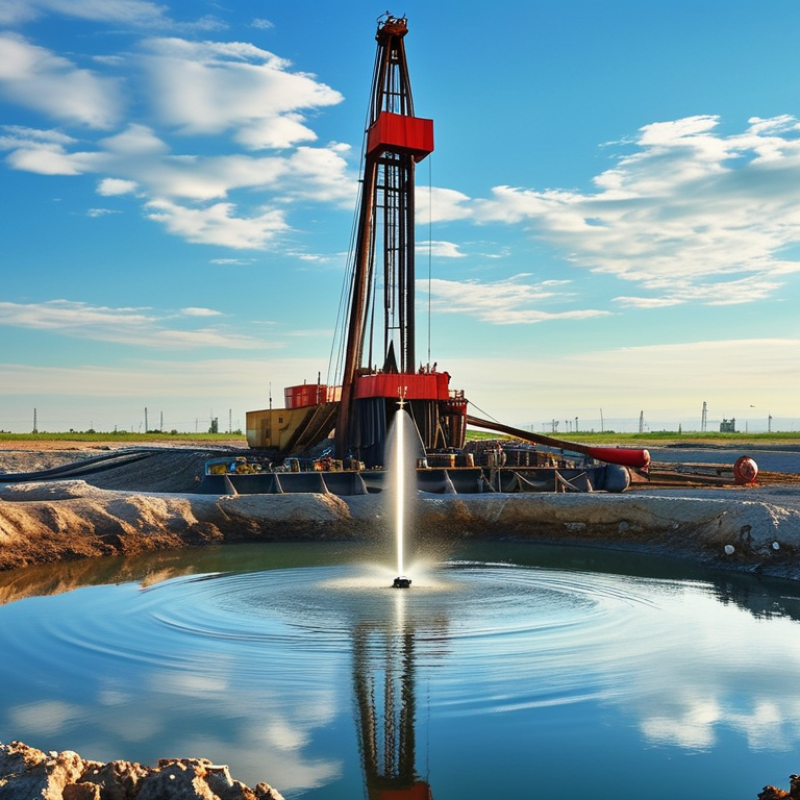
Groundwater aquifers are significant sources of fresh water. They are layers of permeable rock or sediment that contain water. Understanding their types is crucial for successful drilling. There are two major types: confined and unconfined aquifers. Confined aquifers are trapped between layers of impermeable rock. This pressure can lead to artesian wells that flow naturally to the surface. Unconfined aquifers are more accessible. They are open to the atmosphere and are recharged by rainfall.
Aquifer characteristics are essential for proper well drilling. The depth, porosity, and permeability of the aquifer play critical roles. Drillers should analyze local geology to choose suitable locations. Unfortunately, not all sites yield ample water. Poorly placed wells can lead to disappointment. Over-extraction can deplete resources and harm the ecosystem. Sustainable practices, such as monitoring the aquifer levels, are necessary for long-term success. Careful planning and research are key aspects that cannot be overlooked in the drilling process.
Identifying the optimal locations for drilling wells is crucial for a successful water supply.
The first step in this process involves researching the geological characteristics of the area.
Soil types, rock formations, and depth of the water table are key factors.
Local maps and surveys can provide insight into potential groundwater availability.
In many cases, consulting with geologists can enhance this understanding.
Their expertise can lead to more informed decisions about drilling locations.
Environmental assessments are also essential. Drilling in areas prone to contamination can result in poor water quality.
It might seem proper to select a site based solely on proximity to homes or existing infrastructures.
However, this approach can overlook critical environmental factors.
It's essential to consider natural features like rivers or wetlands.
They can indicate groundwater flow patterns that may inform optimal drilling sites.
Additionally, community input should not be undervalued. Engaging local residents can uncover historical knowledge about water sources.
Past experiences can guide new drilling initiatives.
Nevertheless, there may be differing opinions about ideal locations.
It’s vital to balance these viewpoints with scientific data.
A thoughtful approach ensures sustainable water supply while fostering community trust.
This ongoing dialogue is key to successfully navigating the complexities of water resource management.
When drilling wells for water supply, the right equipment is crucial for success. A drill rig, which can be portable or mounted on a truck, is essential. You'll also need drilling bits, which vary depending on soil conditions. Expect to choose between rotary, percussion, or auger bits to achieve efficient drilling. Each type has its advantages, depending on the depth and composition of the ground.
In addition to the drill rig and bits, having accessories like casing and well screens is important. Casing stabilizes the well structure. Well screens prevent sediment from entering while allowing water to flow. Depending on soil layers, challenges may arise. You may encounter rocks or groundwater pockets that can slow progress. Being prepared with the right tools and backup plans is key to overcoming these obstacles.
Finally, consider the importance of proper technique. Drill slow to maintain control and accuracy. Implement regular assessments to gauge your progress. If the drilling slows unexpectedly, take a moment to evaluate your method. Remember, every well is unique; adaptability is your best asset in this endeavor.
Testing water quality and quantity is essential before drilling wells for water supply. It involves analyzing various parameters such as pH, total dissolved solids (TDS), and contaminants. The World Health Organization (WHO) suggests acceptable pH levels between 6.5 and 8.5. Deviations from this range can lead to significant health risks.
Water with high TDS levels can indicate pollution. High TDS, above 1,000 mg/L, can affect taste and may contain harmful substances. Regular testing can catch these issues early. It is vital to use certified laboratories for accurate results. Local health departments often provide guidelines on testing frequency.
Testing should include examining contaminants like nitrates and lead. Nitrate levels should remain below 10 mg/L to protect human health. Well owners should re-evaluate water quality annually and after significant rainfall events. Consider using home testing kits for preliminary checks, but follow up with lab tests for confirmation. Keep records of all tests for future reference.
| Parameter | Unit | Standard Value | Test Result | Assessment |
|---|---|---|---|---|
| pH | - | 6.5 - 8.5 | 7.2 | Acceptable |
| Total Dissolved Solids (TDS) | mg/L | < 500 | 350 | Acceptable |
| Nitrate (NO3) | mg/L | < 10 | 8.5 | Acceptable |
| Arsenic | mg/L | < 0.01 | 0.005 | Acceptable |
| Coliform Bacteria | CFU/100mL | 0 | 1 | Not Acceptable |
When developing a water well, understanding permitting and regulations is crucial. The process can be complex, varying significantly by location. Regulatory bodies evaluate the ecological impact and water availability in the area. It's essential to check local guidelines before initiating drilling. This can prevent costly delays and ensure compliance.
Engaging with local authorities early in the planning process is a wise choice. They can provide insight into necessary permits and fees. Don’t underestimate the importance of this step. Missing a crucial document can stall your project. Community input is also valuable; neighbors may express concerns or support.
Sometimes the regulations can feel overwhelming. It’s not uncommon for even experienced drillers to miss key aspects. Regularly reviewing guidelines helps maintain compliance. Connecting with local experts can further clarify the process. They offer nuanced knowledge that written regulations may not fully convey. Each step requires careful consideration for a successful water supply project.
: A drill rig is crucial, along with the right drilling bits based on soil conditions.
There are rotary, percussion, and auger bits. Each type suits different ground conditions.
Casing stabilizes the well, and well screens prevent sediment while allowing water to flow.
You may encounter rocks or groundwater pockets. These can slow down the drilling process.
Drill slowly to maintain control and assess progress regularly for efficiency and accuracy.
Key parameters include pH, total dissolved solids (TDS), and contaminants like nitrates and lead.
The WHO suggests a pH range between 6.5 and 8.5 to minimize health risks.
It is recommended to test water quality annually and after significant rainfall.
Use certified labs for accurate results. Always keep testing records for future reference.
They can provide preliminary results, but lab testing is crucial for confirmation and accuracy.
Successfully drilling wells for water supply requires a comprehensive understanding of groundwater aquifers, including their types and characteristics, to ensure the most effective extraction of water. Identifying optimal drilling locations is crucial; this involves analyzing geological formations and hydrological data to find areas with sufficient water reserves.
Equipping oneself with essential tools and techniques for drilling wells is vital for efficiency and safety. Once a well is drilled, analyzing the water quality and quantity through rigorous testing is necessary to meet health standards and ensure sustainability. Additionally, obtaining the necessary permits and adhering to regulations are fundamental steps in developing water wells responsibly, ensuring that the process supports environmental sustainability while providing a reliable water supply.

SINOVO