How to Choose the Right Drilling Pumps for Your Project?

Time:2026-10-11 Author:Ethan
0%

Choosing the right Drilling Pumps can determine whether a project runs smoothly or struggles with costly interruptions. In the field, pump selection is not simply a catalogue decision. It begins with the drilling depth, expected flow rate, working pressure, mud density, solids content, and available power. A pump that looks suitable on paper may overheat beside a dusty rig, lose efficiency with abrasive mud, or create damaging pressure fluctuations.

Dr. William C. Lyons, a respected drilling equipment author, stated, “The drilling pump is the heart of the circulation system.” That comparison is practical. If the pump cannot maintain stable circulation, cuttings may settle inside the hole, bit performance can decline, and unplanned maintenance may follow. Triplex pumps often suit demanding land operations because they provide high pressure and dependable flow. Duplex models may still be valuable where simplicity, lower speed, or specific maintenance preferences matter. The correct answer depends on the complete system.

This guide examines how to compare Drilling Pumps through measurable operating conditions. It considers hydraulic horsepower, liner size, stroke rate, pulsation dampeners, fluid compatibility, spare-part access, and lifecycle cost. Experienced teams also inspect the pump’s maintenance history, not only its advertised capacity. Small details matter. A worn valve can change the whole picture.

There is no perfect selection formula. Field data may be incomplete. Budget pressure can distort good judgment. Therefore, engineers should verify calculations against real operating records, manufacturer documentation, and recognized industry requirements, including applicable API standards. Careful comparison creates a pump choice that is safer, more reliable, and easier to defend.
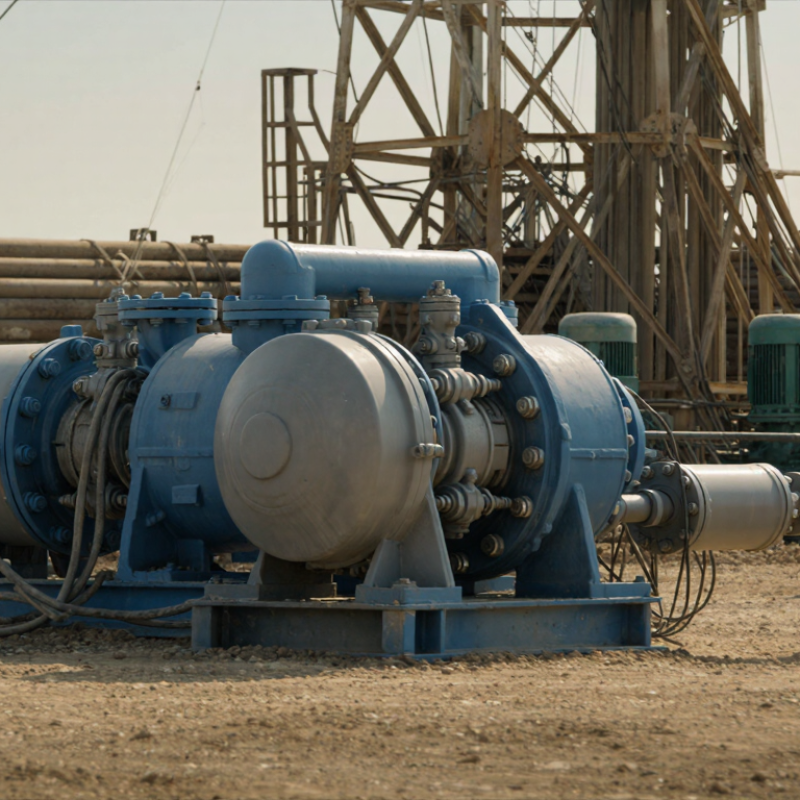
How to Choose the Right Drilling Pumps for Your Project?

Define Pump Duty Using Flow Rates of 500–2,200 GPM and Pressures up to 7,500 PSI

How to Choose the Right Drilling Pumps for Your Project?

Choosing a drilling pump starts with the real pump duty, not a catalog rating. Define the required flow between 500 and 2,200 GPM. Then confirm operating pressure, which may reach 7,500 PSI. These figures determine fluid velocity, hydraulic power, piping stress, and engine demand.

I have seen projects specify maximum pressure while ignoring normal pressure. That approach can create unnecessary cost and poor efficiency. Record the expected pressure range, not only the highest value. Include fluid density, viscosity, temperature, solids content, and circulation time. A dense slurry can change pump performance quickly. It can also increase wear inside valves, liners, and discharge lines.

Check the pump’s rated flow at the actual pressure. Do not rely on a flow number alone. A suitable unit should maintain stable output during startup, formation changes, and brief restrictions. Allow a practical margin, but avoid excessive oversizing. Bigger is not always better. Oversizing may cause control problems and waste fuel.

I once treated the planned flow as constant. That assumption was wrong. Field conditions rarely stay perfect. Review pressure gauges, pulsation behavior, relief protection, and maintenance access with experienced operators. Confirm that the power source can handle peak duty without overheating. Written calculations should match field measurements before procurement. Small errors here become expensive repairs later.

How to Choose the Right Drilling Pumps for Your Project? - Define Pump Duty Using Flow Rates of 500–2,200 GPM and Pressures up to 7,500 PSI

Duty Case Flow Rate
(GPM)
Discharge Pressure
(PSI)
Hydraulic Power
(HP)
Estimated Input Power
(HP)
Suitable Pump Arrangement Typical Duty and Selection Focus
A — Low-Flow / High-Pressure 500 3,000 875 1,030 Triplex or quintuplex positive-displacement pump Appropriate for smaller circulating systems, cementing support, and high-pressure fluid transfer. Verify liner, piston, valve, and fluid-end ratings.
B — Moderate Circulation 800 4,500 2,101 2,470 Triplex or quintuplex positive-displacement pump Suitable for medium-depth drilling circulation. Consider pulsation dampening, discharge relief protection, and adequate suction-line sizing.
C — High-Rate Drilling Duty 1,200 5,500 3,851 4,530 Multiple triplex or quintuplex pumps in parallel A practical configuration for demanding drilling-fluid circulation. Parallel pumps provide operating flexibility and allow maintenance without fully stopping circulation.
D — High-Flow / High-Pressure 1,600 6,500 6,070 7,140 Large positive-displacement pumps, commonly operated in parallel Designed for large-volume circulation and elevated standpipe pressure. Confirm power availability, drivetrain limits, cooling, and pressure-rated piping.
E — Maximum Stated Duty 2,200 7,500 9,626 11,325 Heavy-duty multi-pump system with independent control Requires detailed mechanical, electrical, and hydraulic design review. Use staged or parallel operation where possible to match changing flow and pressure requirements.
Technical basis: Hydraulic power is calculated as Flow Rate × Pressure ÷ 1,714. Estimated input power assumes an overall pump-and-drive efficiency of 85%; actual requirements vary with fluid density, viscosity, solids concentration, speed, wear, and operating conditions. Select the pump, fluid end, relief system, piping, and drive from the applicable project design code and manufacturer ratings.

Compare Triplex and Duplex Pumps by API Spec 7K Performance Criteria

Choosing the right drilling pump starts with the actual duty cycle, not the pump name. Under API Spec 7K performance criteria, compare rated working pressure, flow capacity, input power, pressure testing, and documented inspection results. A pump should meet the required pressure with operating margin, not only match the maximum figure on paper.

Triplex pumps use three plungers, usually producing smoother flow with lower pulsation. They suit high-pressure drilling, continuous circulation, and applications where compact power delivery matters.

Duplex pumps use two plungers and can offer simpler fluid-end access, easier maintenance, and lower initial complexity. However, their flow pulsation is typically greater. Pulsation dampeners and correct suction design become more important.

The fluid matters too. Abrasive mud can quickly expose weak liners, valves, and sealing surfaces. API 7K documentation should be checked alongside material compatibility, pressure-test records, safety guarding, and maintenance access. A pump with higher rated pressure is not automatically better. It may consume more power than the rig can provide.

Field teams often select triplex pumps for demanding pressure control, while duplex units remain practical for lighter or less continuous service. That rule has exceptions. Poor suction conditions can make either design unreliable. I would also question catalogue flow figures, because real flow changes with wear, temperature, and valve condition. Small details matter. Measure the duty, verify the test evidence, and leave room for operating uncertainty.

Match Mud Properties, Solids Content, and Horsepower to Pump Design

How to Choose the Right Drilling Pumps for Your Project?

Pump selection begins with the mud, not the catalog. Record density, plastic viscosity, yield point, temperature, and abrasive solids before choosing a design. API Recommended Practice 13D identifies rheology and equivalent circulating density as essential hydraulic checks. A mud system carrying 5% drilled solids behaves very differently from one carrying 15%. The difference is costly.

Match the pump’s wetted parts and expendable components to the fluid. High solids increase liner, piston, valve, and seat wear. Abrasive particles can turn a small clearance problem into an unplanned shutdown. Duplex pumps may suit moderate duty, while triplex pumps usually provide smoother discharge and better high-pressure control. Check the actual flow rate, not only the rated maximum.

Horsepower must cover pressure, flow, and mechanical losses. Use the hydraulic relationship: horsepower equals pressure multiplied by flow, divided by 1,714 and adjusted for efficiency. A 3,000 psi system running at 500 gallons per minute needs about 875 hydraulic horsepower before losses. API Specification 7K provides equipment and safety requirements for drilling pressure systems. IADC training guidance also stresses inspection, pressure testing, and maintenance records.

Leave operating margin.

A common mistake is selecting maximum horsepower without reviewing suction conditions, pulsation, or solids loading. I have seen calculations look acceptable on paper, then fail during fast drilling. Recheck the model with real mud data, because laboratory values rarely capture every field condition.

Verify Pressure Ratings, Liner Sizes, and Hydraulic Efficiency Before Selection

How to Choose the Right Drilling Pumps for Your Project?

A drilling pump should match the pressure demands of the complete operation, not only the planned depth. Verify the maximum working pressure against expected discharge pressure, surge, and temperature changes. Keep a safety margin, but do not confuse it with unlimited capacity. Excessive ratings can increase cost and weight without improving performance. Check certified test data, maintenance records, and actual operating conditions before approval. A rating printed on a nameplate is only one part of the decision.

Tips: Confirm liner size against required flow and pressure. Smaller liners usually support higher pressure, while larger liners deliver more volume. Inspect piston speed, stroke length, and fluid properties together. Then calculate hydraulic efficiency under realistic conditions. Laboratory figures may look impressive. Field results can differ.

Hydraulic efficiency affects fuel use, heat generation, and drilling stability. Compare input power with useful hydraulic output at the intended flow rate. Allow for losses through valves, manifolds, hoses, and filtration equipment.

Listen for irregular pulsation during a site trial. It may reveal poor sizing or worn components. I have seen teams focus heavily on pressure ratings and overlook liner wear. That mistake changed the maintenance schedule quickly. Recheck calculations when mud density, solids content, or hole conditions shift. A careful selection may still need adjustment after commissioning.

Assess Maintenance Needs, Spare Parts, and Total Cost per Drilling Hour

How to Choose the Right Drilling Pumps for Your Project?

A drilling pump should be judged beyond flow rate and pressure. Maintenance demands often determine whether production stays stable. On a busy site, inspect valves, liners, pistons, seals, and lubrication points daily. Small leaks can quickly become expensive downtime. Ask how long routine servicing takes with ordinary tools. A pump requiring specialized equipment may slow repairs in remote locations. I have seen crews choose capacity first, then struggle with access to basic service areas.

Spare parts deserve equal attention. Confirm availability for wear components, gaskets, bearings, and fluid-end parts before signing a purchase order. Check storage life and recommended replacement intervals. Keep critical parts on site when transport is uncertain. Not every spare is worth stocking. A practical list should reflect failure history, operating hours, and site conditions. Maintenance records from comparable drilling work can provide stronger evidence than sales estimates.

Calculate total cost per drilling hour, not only the purchase price. Include fuel or power use, labor, planned maintenance, spare parts, transport, and lost production. Use this formula: total operating cost ÷ productive drilling hours. My early estimates often missed waiting time during repairs. That mistake made efficient pumps look cheaper than they were. Compare at least two operating scenarios, including abrasive ground and longer shifts. Request service documentation, test results, and realistic parts lead times. Then review the numbers with the people who will actually maintain the pump.

FAQS

What flow rate should a drilling pump handle?

Define the real operating flow between 500 and 2,200 GPM. Do not use catalog flow alone. Check performance at the required pressure.

How much pressure capacity may the pump need?

Some projects require pressures up to 7,500 PSI. Verify normal pressure, peak pressure, surges, and temperature changes. Maximum pressure is not the whole duty.

Which fluid properties affect pump selection?

Record density, viscosity, temperature, solids content, and circulation time. Dense slurry can increase valve, liner, piston, and discharge-line wear. Conditions can change quickly.

Should a pump be oversized for extra safety?

Use a practical operating margin. Excessive oversizing may waste fuel and create control problems. Bigger is not always better. Check it twice.

How do liner sizes influence pump performance?

Smaller liners usually support higher pressure. Larger liners usually deliver greater volume. Compare liner size, piston speed, stroke length, and fluid properties together.

How can hydraulic efficiency be evaluated?

Compare input power with useful hydraulic output at the intended flow. Include losses through valves, manifolds, hoses, and filtration equipment. Field results may differ from laboratory figures.

What maintenance points need daily attention?

Inspect valves, liners, pistons, seals, and lubrication points daily. Look for small leaks around fluid-end components. Ask whether ordinary tools can complete routine service.

How should the total operating cost be calculated?

Divide total operating cost by productive drilling hours. Include energy, labor, maintenance, spare parts, transport, and repair delays. Waiting time is easy to miss.

Conclusion

Choosing the right Drilling Pumps begins with defining the project’s duty requirements, including flow rates from 500 to 2,200 GPM and pressures reaching up to 7,500 PSI. Evaluate whether a triplex or duplex configuration better suits the operation by comparing reliability, pulsation control, fluid handling, and relevant API Spec 7K performance criteria. The selected pump should also match the drilling mud’s viscosity, solids content, and chemical characteristics while providing sufficient horsepower for stable performance under demanding conditions.

Before making a final decision, verify the pump’s pressure rating, liner size options, hydraulic efficiency, and compatibility with the intended drilling system. Practical considerations are equally important: assess inspection intervals, maintenance access, spare-parts availability, and expected service life. Comparing the total cost per drilling hour—including energy use, replacement components, downtime, and routine servicing—can help identify the most economical solution. A well-matched pump improves circulation reliability, supports consistent drilling performance, and reduces avoidable operating interruptions.


Ethan

Ethan

Ethan is a seasoned marketing professional with a deep expertise in our company's innovative product line. With a passion for sharing knowledge and insights, he takes the lead in regularly updating our corporate blog, where he explores industry trends, product features, and effective marketing......