How to Choose the Right Core Drill Bit in 2026?

Time:2026-09-06 Author:Oliver
0%

Choosing the right Core Drill Bit in 2026 requires more than checking diameter and price. The material, drilling method, machine power, and jobsite conditions must work together. A bit that performs well in soft concrete may struggle against dense aggregate, brick, granite, or reinforced slabs.

Brian McAllister, a veteran concrete-cutting trainer, says, “Match the diamond bond to the concrete, or the job will punish you.” That practical warning remains relevant. Soft materials usually need a harder diamond bond, while hard concrete often demands a softer bond for faster diamond exposure. The wrong choice can create slow cutting, glazed segments, excessive vibration, or premature wear.

Begin with the hole diameter and required depth. Then inspect the concrete. Look for rebar, river stone, abrasive sand, cracks, and hidden metal. Wet drilling can control heat and extend bit life, but it requires suitable water management. Dry drilling may suit blockwork or limited-access areas, yet dust control becomes critical. Check the drill motor’s rated speed and arbor before ordering. Compatibility is not optional.

Field experience also reveals an uncomfortable truth: product charts cannot predict every wall. I have seen a premium bit underperform because the operator used too much pressure. I have also seen an inexpensive bit succeed in predictable material. That does not make specifications irrelevant. It means testing matters.

This guide explains how to compare diamond segment design, bond hardness, bit diameter, cooling needs, and operating technique. The goal is not the cheapest Core Drill Bit. It is the most reliable match for the actual work.
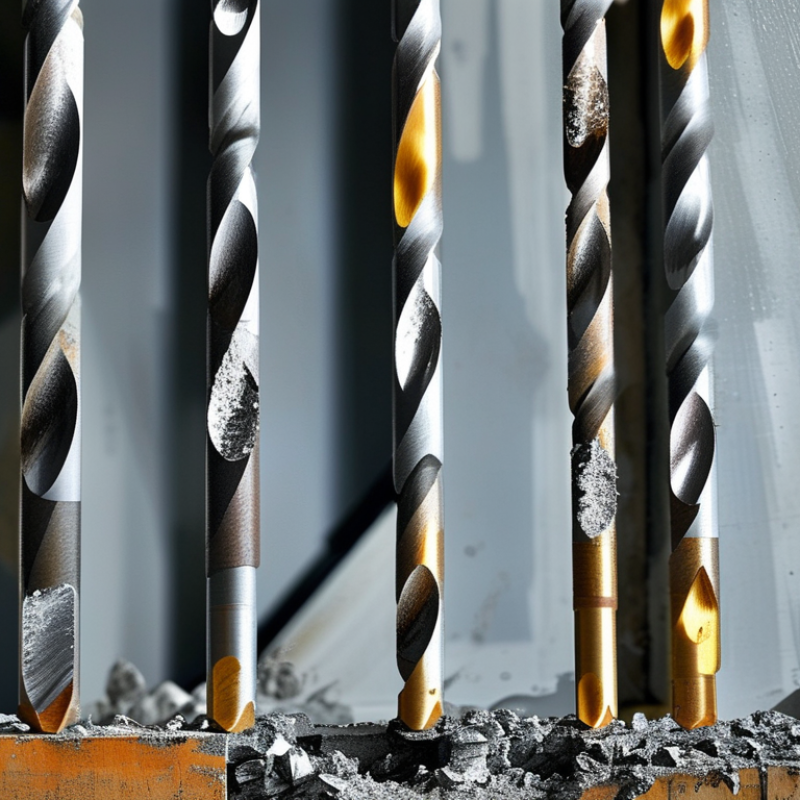
How to Choose the Right Core Drill Bit in 2026?

Define the Core Drill Bit’s Job and Drilling Conditions

How to Choose the Right Core Drill Bit in 2026?

Define the core drill bit’s job before comparing specifications. Is it cutting concrete, brick, asphalt, or engineered stone? Each material changes the required diamond segment, bond, and cooling method. Concrete with dense aggregate can slow cutting and glaze a weak bit. Reinforced concrete adds steel, vibration, and sudden resistance. The hole diameter, drilling depth, access angle, and daily hole count also matter. A short anchor hole needs a different design from a 500-millimeter service penetration.

Drilling conditions affect safety and tool life. Wet drilling controls heat and suppresses respirable silica, but it creates slurry and electrical risks. The U.S. Occupational Safety and Health Administration sets a respirable crystalline silica limit of 50 micrograms per cubic meter over eight hours. Its standard also identifies 25 micrograms as the action level. These figures make dust control a design requirement, not a preference. CDC/NIOSH engineering guidance supports local control methods, although site conditions still vary.

I have seen operators blame the bit when poor water flow caused overheating. That judgment is often incomplete.

Tips: Record aggregate hardness, reinforcement, hole depth, and cooling access before ordering. Check the equipment’s rated speed and mounting system. Keep steady pressure. Do not force a glazed bit. If cutting feels unusually slow, stop and inspect segment wear, water delivery, and alignment. My own checklist once missed hidden steel. A quick scan would have prevented wasted time. Choose from measured conditions, not habit.

Match the Bit Type to the Material and Core Size

Choosing a core drill bit starts with the material, not the machine. Concrete with dense aggregate needs a diamond segment with strong wear resistance. Brick and block usually cut better with a softer bond, allowing diamonds to expose faster. Reinforced concrete is less forgiving. Steel bars can shock the bit and slow drilling.

Core size matters just as much. A small bit removes less material and usually drills faster. Larger diameters create more heat, vibration, and load on the spindle. The U.S. Geological Survey’s 2024 Mineral Commodity Summaries reported about 1.5 billion metric tons of crushed stone produced in the United States during 2023. That scale reflects the varied aggregates found in modern concrete. Do not assume one segment formula suits every slab.

Water-fed drilling helps cool the crown and carry abrasive dust away. For dry masonry work, choose a bit designed for intermittent drilling and clear the hole often. The European Commission’s 2024 Construction and Demolition Waste Protocol notes that mineral waste forms a major share of construction waste, reminding contractors how frequently hard materials are cut onsite. In practice, I check aggregate hardness, reinforcement, core diameter, and available power before selecting a bit. I still get it wrong sometimes. Bit life is not always the best target. A slower bit may produce a cleaner core and fewer damaged edges. Measure the first hole, then adjust.

How to Choose the Right Core Drill Bit in 2026? - Match the Bit Type to the Material and Core Size

Material Recommended Core Bit Type Typical Core Diameter Drilling Mode Cooling Method Operating Guidance Key Selection Notes
Reinforced Concrete Segmented diamond core bit
Designed for concrete and steel reinforcement
25–300 mm
1–12 in
Rotary only Continuous water feed Use a rigid core-drilling rig and steady, controlled pressure. Reduce pressure when cutting rebar. Choose a bit rated for steel reinforcement. Wet drilling improves cutting speed, dust control, and segment life.
Unreinforced Concrete Segmented diamond core bit
General-purpose concrete configuration
25–300 mm
1–12 in
Rotary only Water or approved dry system Maintain a stable feed rate and keep the bit aligned with the hole axis. Dry drilling is suitable for selected small- to medium-diameter applications when dust extraction is available.
Brick and Concrete Block Dry diamond core bit or carbide-tipped masonry core bit 25–200 mm
1–8 in
Rotary only Usually dry; use dust extraction Use moderate pressure and periodically withdraw the bit to clear dust and debris. Dry diamond is cleaner and faster in many masonry applications. Carbide-tipped bits are economical for intermittent work.
Porcelain Tile Continuous-rim diamond core bit 5–100 mm
3/16–4 in
Rotary only; no hammer action Water recommended Start slowly to prevent wandering, then use light, even pressure. Support the tile properly. Use a continuous diamond rim for a clean edge. Avoid impact mode, which can crack or chip the tile.
Ceramic Tile Diamond-grit continuous-rim core bit 5–100 mm
3/16–4 in
Rotary only Dry for small holes; water for longer cuts Use low to moderate pressure and keep the bit from overheating. Diamond grit provides a smoother cut than toothed carbide designs and reduces the risk of tile damage.
Natural Stone
Granite, marble, engineered stone
Wet diamond core bit
Continuous rim or specialized segmented rim
10–200 mm
3/8–8 in
Rotary only Continuous water feed Use a rigid guide, light feed pressure, and frequent inspection of the cutting edge. Hard stone requires diamond tooling and effective cooling. Match the bit to the specific stone hardness and thickness.
Asphalt Segmented diamond core bit
Open-segment configuration
50–300 mm
2–12 in
Rotary only Water or dry operation, depending on equipment Use controlled pressure and remove cuttings regularly to prevent the bit from loading. An open segment design helps clear abrasive asphalt particles. Check whether the substrate contains embedded aggregate or steel.
Glass Fine diamond-grit core bit 6–75 mm
1/4–3 in
Rotary only; no impact Continuous water cooling Use very light pressure, secure the workpiece, and avoid sudden temperature changes. Glass is brittle and heat-sensitive. Wet cutting and a stable guide are essential for reducing cracking.
Wood and Plywood Carbide-tipped hole saw or wood core cutter 20–150 mm
3/4–6 in
Rotary only Dry Use a pilot drill where appropriate and clear chips regularly, especially in thick or laminated panels. Diamond core bits are unnecessary for ordinary wood. Select tooth geometry according to solid wood, plywood, or composite material.
Plasterboard and Soft Panels Standard hole saw or carbide-grit core cutter 25–150 mm
1–6 in
Rotary only Dry Use low pressure to prevent tearing and support the panel near the cutting area. A conventional toothed hole saw is usually sufficient. Use a carbide-grit design for abrasive composite panels.

Selection ranges are typical application guidelines rather than universal limits. Always verify the bit’s permitted diameter, material rating, drilling mode, spindle speed, cooling requirement, and equipment capacity before use.

Choose the Right Bit Diameter, Length, and Connection

How to Choose the Right Core Drill Bit in 2026?

In 2026, selecting a core drill bit starts with the hole, not the tool cabinet. Measure the required diameter before choosing anything else. A bit that is too small creates rework. A bit that is too large may overload the equipment. Match the diameter to the anchor, pipe, or cable clearance, and allow only the necessary tolerance. Concrete hardness also matters. Reinforced concrete can slow cutting and increase heat near steel bars.

Length needs equal attention. Choose a working length that passes through the material with slight extra reach. Excessive length can reduce control and increase vibration. Too little length leaves an incomplete core. I have seen users focus on diameter and forget the slab thickness. That mistake is surprisingly common.

Tips: Check the actual drilling depth, not only the material label. Select a connection that matches the machine spindle precisely. Common connections may look similar, but thread pitch, seating depth, and drive shape can differ. A poor connection causes wobble, heat, and uneven wear. Inspect it before use. Keep the bit aligned and apply steady pressure. Let the cutting segments work instead of forcing them. Wet drilling can control dust and temperature where the equipment and site conditions allow it. My own selection process is not perfect; unusual aggregate or hidden reinforcement can change performance. When uncertain, test a small area and record the result before committing to the full hole pattern.

How to Choose the Right Core Drill Bit in 2026?

Choose the bit diameter according to the required opening, the length according to the drilling depth, and the connection according to the machine spindle.

Bit Diameter

Select the smallest diameter that provides the required clearance. Common planning ranges are approximately 20–40 mm for anchors, 40–80 mm for plumbing, 75–125 mm for conduit, 100–200 mm for sleeves, and 150–300 mm for larger utility penetrations.

Bit Length

Choose a barrel length longer than the required drilling depth. Common barrel lengths include 300 mm, 450 mm, and 600 mm. Allow additional length for the machine setup, dust removal, and safe breakthrough.

Connection

Confirm the spindle connection before ordering. Common systems include 1/2"-20 UNF, 1-1/4"-7 UNC, 2-1/2"-7 UNC, SDS-plus, and SDS-max. Thread size and rotation direction must match the drilling machine.

The chart shows typical planning diameter ranges for common concrete coring tasks. Actual requirements depend on the anchor, pipe, sleeve, reinforcement, material strength, and drilling equipment.

Compare Cutting Segments, Bond Hardness, and Bit Quality

How to Choose the Right Core Drill Bit in 2026?

Choosing a core drill bit starts with the cutting segments, not the lowest price. Segment height, diamond concentration, and spacing affect drilling speed and service life. Softer bonds usually expose new diamonds faster in hard materials, such as granite or reinforced concrete. Harder bonds can last longer in abrasive materials, including sandstone or block. The match must fit the material. A poor match may produce heat, vibration, and slow cutting. I have learned that one “universal” bit rarely performs well everywhere.

Tips: Check the material, diameter, drilling method, and equipment power before ordering. Examine the segment shape and brazing or welding quality. Uneven segments often create wobbling and rough holes. Keep water flow steady during wet drilling. Dry drilling needs careful dust control and temperature checks.

Bit quality also depends on the steel tube, segment attachment, and manufacturing consistency. A straight barrel helps maintain accurate holes. Reliable suppliers should provide test data, size tolerance, and suitable operating guidance. Look for clean joints and even segment placement. Small defects become obvious after several meters of drilling. Do not judge quality by appearance alone; test one bit under controlled conditions. I still sometimes choose a harder bond for durability, then regret the slower cutting. Performance records are more useful than assumptions.

Check Compatibility, Safety Features, and Total Operating Cost

How to Choose the Right Core Drill Bit in 2026?

Compatibility comes before cutting speed. Match the bit diameter, shank, drilling system, and material hardness. Concrete with heavy reinforcement needs a tougher segment design than soft brick or block. Check the manufacturer’s rated drilling range, but do not trust a catalog alone. On site, I measure the aggregate, reinforcement, and required hole depth before selecting a bit. A small mismatch can create vibration, slow penetration, and expensive downtime.

Safety features deserve equal attention. OSHA sets the respirable crystalline silica action level at 25 micrograms per cubic meter over eight hours, with a 50-microgram permissible exposure limit. Wet drilling usually controls dust better than dry cutting, but it introduces slurry, slipping, and electrical risks. Use water management, ground-fault protection, stable anchoring, and suitable respiratory controls. The 2023 Liberty Mutual Workplace Safety Index reported that serious workplace injuries cost U.S. employers billions in medical and wage expenses. The figure is broad, not core-drilling specific, but the warning is practical.

Calculate total operating cost, not purchase price. Include segments, water, electricity, labor, setup time, transport, and premature replacement. A cheaper bit may cost more if it cuts slowly or needs frequent dressing. Track cost per finished hole, not cost per bit. My own weak point is assuming one specification works everywhere. It rarely does. A short field trial on the actual substrate can expose that mistake before a full production run.

FAQS

: What should I identify before choosing a core drill bit?

: Identify the material, hole diameter, drilling depth, access angle, and daily workload. Concrete, brick, asphalt, and engineered stone need different cutting designs. Record aggregate hardness and hidden reinforcement. Details matter.

How does reinforced concrete affect bit selection?

Reinforced concrete adds steel, vibration, and sudden resistance. Choose a tougher segment design for heavily reinforced areas. Check alignment and maintain steady pressure during cutting. I once missed hidden steel. A quick scan would have helped.

Should I choose wet drilling or dry drilling?

Wet drilling controls heat and reduces airborne silica dust. However, it creates slurry, slipping hazards, and electrical risks. Use proper water control and ground-fault protection. Dry drilling may simplify setup, but dust control becomes harder.

How do hole size and depth change the choice?

A short anchor hole needs a different design from a deep service penetration. Large holes require suitable equipment power, mounting, and cooling. Confirm the bit’s rated diameter and drilling depth. Do not rely on appearance alone.

How can I prevent overheating and premature wear?

Maintain adequate water flow and avoid excessive pressure. Inspect the segments if cutting becomes unusually slow. Glazing, poor cooling, and misalignment can all reduce performance. Stop and check.

What compatibility details should I check?

Match the bit diameter, shank, drilling system, and material hardness. Confirm the equipment’s rated speed and mounting system. A small mismatch can cause vibration and slow penetration. Compatibility comes before speed.

How should silica exposure influence the drilling setup?

Treat dust control as a design requirement, not an optional extra. Wet methods usually reduce respirable silica during concrete drilling. Use suitable ventilation, respiratory controls, and local dust management. Site conditions still vary.

How should I calculate the real cost of a core drill bit?

Include segments, water, electricity, labor, setup time, transport, and replacements. Track the cost per finished hole, not only the purchase price. A cheaper bit may cut slowly and increase downtime. Field trials reveal uncomfortable mistakes.

Conclusion

Choosing the right Core Drill Bit in 2026 begins with understanding the drilling task and working conditions. Consider the material being drilled, required core size, drilling depth, moisture, temperature, and whether the job is handheld or rig-mounted. These factors help determine the most suitable bit type, diameter, length, and connection system. Matching the bit to concrete, masonry, stone, or other materials can improve cutting speed, hole accuracy, service life, and operator control.

Next, compare the cutting segment design, bond hardness, construction quality, and expected performance under real job conditions. A bit should also be compatible with the drilling equipment and include practical safety features, such as secure connections and stable operation. Instead of focusing only on the purchase price, evaluate total operating cost, including drilling speed, replacement frequency, maintenance, downtime, and energy use. A balanced choice will deliver reliable results, consistent core quality, and better long-term value.


Oliver

Oliver

Oliver is a seasoned marketing professional with a wealth of expertise in driving brand awareness and engagement. With a deep understanding of our company's product offerings, he consistently delivers high-quality content that enriches our professional blog. His insights not only shed light on......