Choosing the best Dirt Drill Bit supplier for global buyers requires more than comparing catalog prices. Soil conditions, drilling depth, machine compatibility, and delivery reliability all influence the final result. A bit designed for loose clay may perform poorly in compacted gravel or weathered rock. Buyers should examine tooth material, body strength, thread accuracy, and wear resistance before placing an order.
Small details matter.
In practical projects, carbide teeth must remain secure after repeated contact with abrasive ground. The bit should also fit the drilling rig without excessive vibration or uneven loading. Experienced suppliers can explain these differences with test data, production records, and clear application guidance. They should provide realistic service-life expectations, not vague promises. Factory audits, sample testing, inspection reports, and responsive communication can help confirm reliability across borders.
Still, no supplier is perfect. Product quality may vary between models, batches, or drilling environments. Even experienced buyers can overlook freight delays, replacement-part availability, or unclear warranty terms. This guide examines important supplier criteria through a practical and evidence-based lens. It focuses on manufacturing experience, technical support, quality control, and export capability. The goal is not to promote one company blindly. It is to help global buyers ask better questions and select a Dirt Drill Bit supplier with confidence.
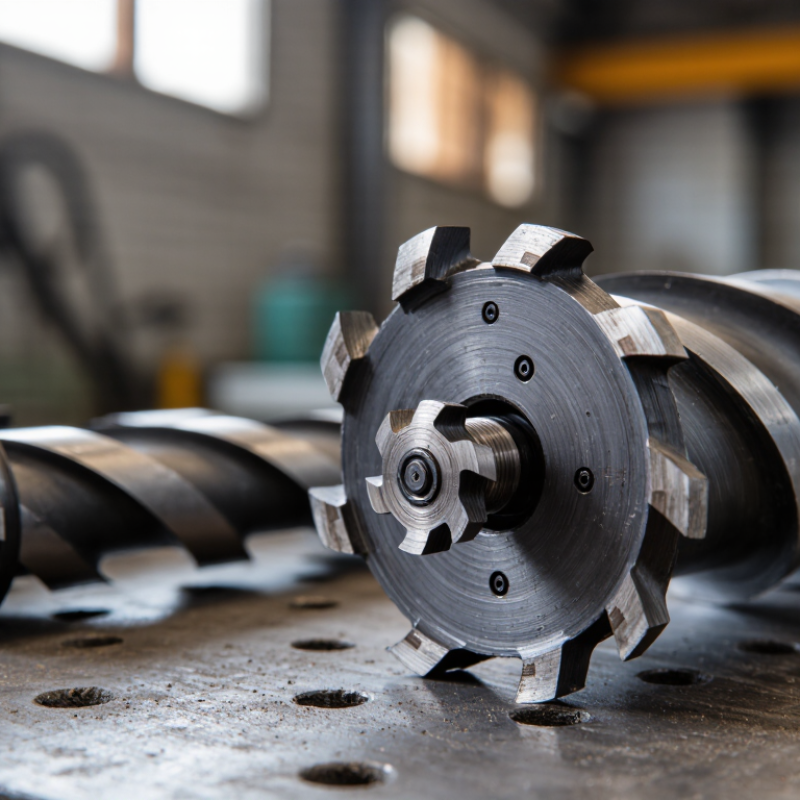
A dirt drill bit is a cutting tool designed for soil, clay, sand, and loose overburden. Its open design helps remove material as the drill rotates. Unlike rock bits, it usually has wider flutes and sharper cutting edges. This structure reduces clogging in damp ground. Dirt drill bits are common in fence-post installation, garden planting, irrigation preparation, soil sampling, and light construction work. They can also create clean holes for small foundations or temporary supports. The right bit depends on soil density, moisture, hole diameter, and required depth.
In field work, operators often notice the difference within the first few meters. Dry soil may produce fine dust, while wet clay can wrap around the bit like thick paste. A slow, steady rotation usually gives better control than excessive speed. Too much pressure may bend the shaft or damage the cutting edge. A common mistake is using a dirt bit in hard rock. It may work briefly, but performance drops quickly. Real conditions are rarely perfect, so testing a small section first is sensible.
Tips: Match the bit diameter to the final hole size. Clean the flutes frequently. Check the cutting teeth before each use. Reduce speed in sticky soil. If the hole collapses, use temporary casing or adjust the drilling method. Keep records of soil type, depth, and wear. Small details matter.
China Best Dirt Drill Bit Supplier for Global Buyers?
Key Types and Features of China-Made Dirt Drill Bits
China-made dirt drill bits serve different ground conditions, from soft clay to compacted gravel. Drag bits use sharp wings for fast cutting in loose soil. Auger bits move spoil upward through helical flights. Tricone bits suit mixed formations with changing hardness. The wrong type can reduce drilling speed quickly.
Many Chinese suppliers offer tungsten carbide inserts, reinforced cutting edges, and heat-treated bodies. These features help resist abrasion during repeated field use. Mud channels can improve cooling and remove cuttings from the hole. Some bits also use replaceable teeth, which may reduce maintenance costs on active projects.
In practical purchasing, inspect tooth alignment, weld quality, thread accuracy, and surface hardness. Ask for dimensional reports and material certificates. A clean thread matters more than a polished finish. It prevents connection problems on site. Sample testing remains valuable, especially for unfamiliar soil conditions. I have seen low-priced bits perform well in soft ground, then fail early in gravel. That weakness is easy to miss. Buyers should compare penetration rate, wear after several holes, and total replacement cost. Supplier communication also matters when drawings or drilling parameters change. A reliable factory should explain limits clearly, not promise universal performance.
| Drill Bit Type | Cutting Structure | Suitable Ground Conditions | Typical Diameter Range | Key Features | Main Advantages | Important Limitations | Common Applications |
|---|---|---|---|---|---|---|---|
| Earth Auger Bit | Helical flight with a replaceable or fixed cutting edge and pilot point. | Topsoil Clay Loose sand Soft ground | 100–600 mm for common portable and excavator-mounted systems. | Open flight helps lift cuttings; cutting teeth may be made from hardened alloy steel or tungsten-carbide material. | Simple design, good spoil removal, easy tooth replacement, and suitable for high-volume shallow drilling. | Performance decreases in hard rock, heavily cemented gravel, and highly abrasive formations. | Fence posts, utility poles, agricultural planting, landscaping, and shallow foundation work. |
| Drag Bit | Fixed blades or wings with a flat, step, or chevron cutting profile. | Soft clay Marl Shale Unconsolidated soil | 76–444 mm in common water-well, geotechnical, and construction sizes. | Broad blades scrape and shear the formation; fluid or air circulation can be used to remove cuttings. | Low operating torque, economical manufacturing, and smooth performance in soft formations. | Blade wear can be rapid in abrasive sand, gravel, or hard interbedded layers. | Water-well drilling, geotechnical sampling, environmental investigation, and shallow construction holes. |
| PDC Matrix or Steel-Body Bit | Fixed polycrystalline diamond compact cutters arranged on blades. | Soft to medium rock Claystone Shale Compact soil | 89–311 mm for many water-well, mining, and geotechnical drilling systems. | Shearing action, high cutter hardness, multiple blade layouts, and options for different hydraulic flow paths. | Fast penetration in suitable formations, long cutter life, and no moving parts. | Less suitable for highly fractured ground, very hard formations, or severe impact loading without an appropriate design. | Geothermal drilling, water wells, mineral exploration, and directional or geotechnical drilling. |
| Tricone Roller-Cone Bit | Three rotating cones fitted with milled teeth or tungsten-carbide inserts. | Soft rock Medium rock Gravelly formations Mixed ground | 98–660 mm, depending on the drilling rig and connection system. | Rolling cones combine crushing, chipping, and scraping; tooth type and bearing design are matched to formation strength. | Versatile across changing formations and capable of handling moderate impact conditions. | Moving bearings require proper lubrication or sealing; drilling efficiency may be lower than a specialized bit in uniform soft soil. | Water wells, mining, foundation drilling, oilfield-style rotary drilling, and mixed-ground projects. |
| DTH Hammer Button Bit | Carbide buttons on a face driven by a down-the-hole percussion hammer. | Hard rock Boulders Fractured rock Overburden with rock layers | 90–350 mm for many construction, quarrying, and water-well systems. | Impact drilling with front and peripheral carbide buttons; flushing passages remove rock chips. | High penetration in hard rock, good hole straightness, and effective performance in fractured formations. | Requires a compatible hammer and compressor; generally inefficient for deep unconsolidated soil without casing or specialized tooling. | Blasting holes, anchoring, water wells, quarrying, and rock excavation. |
| Casing Shoe or Overburden Bit | Annular cutting ring, carbide elements, or eccentric reaming structure used with casing systems. | Loose overburden Cobbles Weathered rock Unstable soil | 114–406 mm for common casing and overburden drilling arrangements. | Allows simultaneous drilling and casing installation; designs may be retrievable or sacrificial. | Maintains borehole stability and reduces collapse in loose or unstable ground. | Higher tooling cost, more complex operation, and compatibility must be checked between bit, casing, and drilling system. | Water wells, micropiles, ground anchors, slope stabilization, and unstable overburden drilling. |
| Core Barrel Bit | Annular diamond, carbide, or impregnated cutting ring surrounding a core barrel. | Rock formations Concrete Cemented layers | 36–219 mm core-hole diameters are common in exploration and investigation work. | Cuts an annulus while preserving a cylindrical core sample; water or drilling fluid is commonly used for cooling and flushing. | Provides representative geological or structural samples and controlled hole geometry. | Lower productivity for bulk spoil removal and not intended for ordinary loose-soil excavation. | Mineral exploration, geological investigation, concrete testing, and geotechnical core drilling. |
| Replaceable-Tooth Rotary Bit | Body fitted with removable carbide teeth, bullet teeth, or conical cutters. | Soil with gravel Weathered rock Mixed formations | 150–1,200 mm for foundation, piling, and large-diameter rotary drilling equipment. | Tooth spacing, rake angle, gauge protection, and cutting profile can be adapted to the ground conditions. | Easy maintenance, flexible configuration, and reduced downtime when individual teeth are replaced. | Requires correct tooth selection and torque control; unsuitable tooth layouts can cause vibration or uneven wear. | Site investigation, piling, diaphragm-wall preparation, foundation work, and large-diameter excavation. |
| High-Pressure Water-Well Bit | Blade, wing, PDC, or roller-cone cutting structure with dedicated fluid nozzles. | Sand Clay Soft sediment Unconsolidated aquifers | 100–450 mm for many rotary and mud-drilling applications. | Hydraulic nozzles improve bottom-hole cleaning; flow area and nozzle arrangement are matched to pump capacity. | Good cuttings evacuation, reduced bit balling, and improved cooling during continuous circulation. | Needs clean and correctly managed drilling fluid; nozzle blockage and excessive hydraulic pressure can reduce performance. | Water wells, environmental monitoring wells, irrigation wells, and shallow hydrogeological drilling. |
A low price is not proof of a reliable drill bit supplier. In field purchasing, I check metallurgy, machining tolerance, test records, and replacement support. The ISO Survey 2022 recorded 1,265,216 ISO 9001 certificates worldwide. Certification helps, but it does not replace factory evidence. Ask for the certificate scope, audit date, and production address. Confirm whether it covers drill bit manufacturing.
Request samples from the same batch. Inspect thread accuracy, tooth alignment, cutter height, and surface finish. For carbide or PDC designs, ask for material certificates and hardness results. A serious supplier should explain its inspection frequency and failure process. UN Comtrade trade data for 2023 places China among the major exporters under HS 8207, which indicates strong manufacturing capacity. It does not guarantee consistent quality. I once trusted a polished sample too quickly. The production batch performed differently.
Tips: Check three references from similar drilling conditions. Compare footage, penetration rate, and failure modes. Require a written drawing before production. Visit the factory, or arrange an independent inspection. Keep one sealed sample for future comparison. Small gaps matter. Supplier answers should be specific, dated, and traceable.
China Best Dirt Drill Bit Supplier for Global Buyers?
Choosing a dirt drill bit supplier requires more than comparing prices. Experienced buyers inspect steel grades, tooth hardness, thread accuracy, and weld quality. These details affect penetration, vibration, and service life in compact soil or mixed ground. Quality records should include material certificates, dimensional reports, and batch traceability. Field evidence matters. A reliable factory can explain its inspection process without vague promises.
Customization is valuable when drilling equipment, soil conditions, or project depths differ. Suppliers may adjust bit diameter, shank design, tooth arrangement, and cutting angle. Clear drawings reduce production errors. Before approval, buyers should confirm tolerances, connection sizes, heat-treatment requirements, and expected working torque. Small changes can influence performance. Not always predictably. Sample testing remains useful, especially for abrasive soil and frequent impact loading.
Production capability should be visible, not simply described. A capable facility may combine CNC machining, controlled heat treatment, welding stations, and final inspection. Production schedules should show realistic capacity for samples and repeat orders. I have found that communication often reveals more than brochures. Slow answers can signal weak coordination. Still, no supplier is perfect. Occasional dimensional variation may occur, so acceptance standards and corrective procedures should be agreed in writing. Photos, inspection data, and test samples help global buyers make a more reliable decision.
Quality Standards, Customization, and Production Capabilities
Global buyers should verify quality-management certification, applicable API requirements, inspection records, material traceability, and documented final testing.
A capable supplier can adapt bit profile, cutter layout, nozzle configuration, connection dimensions, hydraulics, and drilling parameters to formation conditions.
Reliable production typically includes CNC machining, controlled assembly, dimensional inspection, cutter or tooth verification, pressure checks, and batch traceability.
The chart uses indicative unconfined compressive strength bands commonly applied in drilling engineering. Actual formation behavior, bit selection, and design requirements vary by lithology, abrasiveness, drilling parameters, and application.
Choosing a China-based dirt drill bit supplier requires more than comparing the lowest quotation.
Global buyers should check material certificates, thread accuracy, heat-treatment records, and production photos. A reliable supplier can explain bit selection for clay, limestone, gravel, or mixed ground conditions. Ask for a sample inspection before placing a large order.
Shipping costs depend on bit size, quantity, packaging, and destination port. Wooden cases with moisture protection can prevent damaged threads during ocean transport. Request separate prices for the product, inland delivery, export handling, freight, and insurance. Confirm the trade term in writing. Delivery may take two to six weeks, but custom designs often need longer. Delays happen, and optimistic schedules should be questioned.
Pricing deserves careful review. A very low offer may exclude inspection or suitable packaging. I have seen buyers save on unit cost, then pay more after receiving poorly protected tools. Ask about payment stages, replacement terms, and documentation before production begins.
After-sales support should include technical responses, wear analysis, and clear handling of defects. Send photos, drilling depth, rotation speed, and ground conditions when reporting a problem. This evidence helps the supplier recommend a practical solution. Still, no supplier can promise perfect performance in every formation. Performance depends on equipment, operator habits, water flow, and rock changes. Good support remains useful after delivery.
It cuts soil, clay, sand, and loose overburden. Common uses include fence posts, planting, irrigation, soil sampling, and light construction. It can also make holes for small foundations or temporary supports.
A dirt bit usually has wider flutes and sharper cutting edges. Its open design helps remove loose material during rotation. A rock bit uses a different cutting structure for harder formations.
Drag bits work well in loose soil and soft ground. Their sharp wings cut quickly. Auger bits lift spoil through helical flights. Mixed ground may require a tricone design.
Reduce the rotation speed and use steady pressure. Wet clay may wrap around the bit like thick paste. Clean the flutes often. Too much force can bend the shaft.
Check tooth alignment, weld quality, thread accuracy, and surface hardness. Request dimensional reports and material certificates. A clean thread matters more than a glossy finish.
Test a sample in the actual soil when possible. Record penetration speed, hole depth, and tooth wear. Compare several holes, not just one. One successful hole proves little.
Bit size, quantity, packaging, destination, and transport method affect total cost. Protected wooden cases can shield threads from moisture. Delivery may take two to six weeks. Custom designs often take longer.
Send photos, drilling depth, rotation speed, equipment details, and ground conditions. Include wear patterns and water-flow information. This evidence supports a practical response. Still, performance is not perfectly predictable.
A Dirt Drill Bit is a specialized tool designed for creating holes in soil, clay, sand, and other relatively soft ground conditions. It is commonly used in agriculture, landscaping, construction, utility installation, and geological sampling. China-made Dirt Drill Bits are available in several designs, including auger, earth, and replaceable-tooth types, with features such as wear-resistant cutting edges, stable rotation, adaptable shank options, and customized sizes for different drilling machines and soil conditions.
For global buyers, selecting a reliable Chinese supplier requires careful evaluation of material quality, manufacturing consistency, inspection procedures, production capacity, and communication. Buyers should also confirm customization capabilities, dimensional accuracy, packaging standards, and compliance with applicable quality requirements. Competitive pricing is important, but it should be considered together with lead time, shipping arrangements, spare-part availability, warranty terms, and after-sales support. A dependable supplier should provide clear technical information, realistic delivery commitments, and responsive service throughout the purchasing process.

SINOVO