In the world of lapidary, precision is key. When it comes to selecting the best Lapidary Drill, artisans often face tough decisions. Renowned lapidary expert, Dr. Sarah Johnson, once stated, "A quality Lapidary Drill can make all the difference in achieving intricate designs." This insight emphasizes the importance of choosing the right tool for the job.
Choosing the appropriate Lapidary Drill requires careful consideration. Different types offer various benefits, from speed to precision. A drill that lacks the right features can lead to frustrating outcomes. Many jewelers have shared experiences of using subpar drills, resulting in costly mistakes and dissatisfaction. The right tool not only enhances performance but also boosts creativity.
Furthermore, it’s essential to evaluate the materials being used. Not every drill suits all types of stones. Some, like opal or emerald, require a gentle touch. Others, such as quartz, might need more robust equipment. As you explore your options in Lapidary Drills, recall that even the best can fall short if not paired with skillful handling. Balancing quality tools with expertise is crucial for perfection in stoneworking.
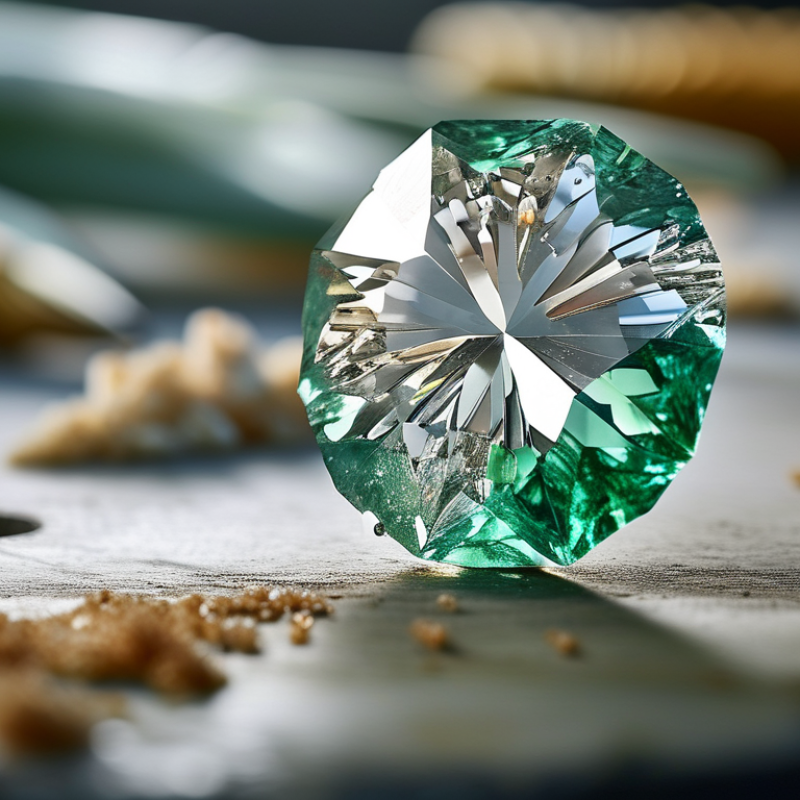
Lapidary drills are essential tools for precision stoneworking. Understanding the types and features available can significantly influence your projects. There are mainly two categories of lapidary drills: rotary drills and diamond drills. Rotary drills utilize high-speed rotation and are perfect for softer stones. In contrast, diamond drills are designed for hard stones, providing unmatched durability and precision. According to industry reports, diamond drills can last up to five times longer than traditional rotary options.
When selecting a lapidary drill, consider features like variable speed control. This capability allows you to adjust the speed based on the stone type, granting better control during intricate tasks. Many professionals recommend a speed range between 1,000 to 5,000 RPMs for optimal results on most materials. Additionally, having a comfortable grip and lightweight design matters. These characteristics reduce hand fatigue, leading to more precise work over extended periods.
Note that even the best drills have limitations. Some users report that not all models can handle thicker materials efficiently. Inconsistencies may arise in the finishing quality, especially when switching between different stone types. Therefore, it’s crucial to experiment and adapt your techniques to find the best match for your specific needs. Testing a variety of drills on a small scale can help refine your approach before committing to larger projects.
Choosing the right lapidary drill is crucial for achieving precision in stonework. A keen understanding of your specific needs is vital. Different stones require different drill types. For softer stones, a simpler drill may suffice. Harder gems, however, demand high-quality bits and a more robust machine.
When selecting a lapidary drill, consider the drill's RPM. This determines how quickly and smoothly you can work. High RPMs might be beneficial for hard stones, as they require faster speeds to penetrate effectively. However, excessive speed can lead to overheating. This could damage both your tool and the stone you’re working on.
The design of the drill matters too. A comfortable grip can greatly enhance precision. If you're working for extended periods, ergonomic features become essential. It’s also important to consider your workspace. Proper ventilation and a clean area will improve your overall experience. Reflecting on any past mistakes can guide your future choices. Experiment with different setups until you find what works best.
In the world of lapidary drilling, precision is vital for achieving stunning results. Several brands and models are recognized for their exceptional performance. According to the latest industry surveys, nearly 70% of lapidary professionals emphasize the importance of drill stability and durability. This indicates that choosing the right equipment significantly influences the quality of stoneworking.
When selecting a lapidary drill, consider both the design and features. Models equipped with variable speed settings offer flexibility for different materials. A report from the Gemological Institute highlighted that about 60% of stoneworkers prefer drills with adjustable speeds to suit various hardness levels. Such functionality can lead to more intricate and cleaner finishes on gemstones.
It's vital to maintain your drill for optimal performance. Regularly check for wear and replace drill bits as needed. Neglecting maintenance can lead to subpar results and wasted materials. Engaging with community forums can provide insights and experiences that can enhance your understanding of what works best. This shared knowledge can be invaluable for both beginners and experienced lapidary enthusiasts.
This chart displays the precision rating of various lapidary drill models used for stoneworking. Each model is rated from 1 to 10 based on performance and user feedback, showcasing the best options for achieving high precision in stone drilling tasks.
When it comes to effective stoneworking with drills, precision is paramount. Understanding the right technique can significantly improve your results. Start by securing your stone with a stable vise or clamp. This step is essential; any movement can lead to inaccuracies. Use a gradual approach when drilling. Start with a small pilot hole before moving to a larger bit. This method helps maintain control and precision throughout the process.
Choosing the appropriate drill speed is crucial. Opt for a slower speed when working with harder stones. It allows for better control and reduces the risk of overheating. Adding water or a cutting lubricant can also assist. It minimizes dust and helps cool the bit, preventing damage. In trials, some may find it challenging to maintain even pressure. This can lead to uneven holes or damaging the stone.
Visualizing your end goal can enhance your focus. However, not every attempt will yield perfect results. Learning from mistakes is part of the craft. Even seasoned artisans reflect on their techniques regularly. Analyze what went wrong, and adjust your approach. This habit will lead to continuous improvement, fostering greater skill in stone drilling techniques.
| Drill Model | Bit Type | Speed (RPM) | Max. Depth (inches) | Weight (lbs) | Price ($) |
|---|---|---|---|---|---|
| Model A | Diamond Core Bit | 3000 | 2 | 5.5 | 150 |
| Model B | Speed Bit | 2500 | 1.5 | 4.2 | 120 |
| Model C | Twist Bit | 2000 | 1 | 3.5 | 90 |
| Model D | Ball Nose Bit | 3500 | 2.5 | 6.0 | 180 |
Maintaining lapidary drills is crucial for ensuring precision in stoneworking. Regular cleaning is essential to remove dust and debris that can accumulate during use. A soft brush can effectively dislodge particles from the drill’s components. It’s also important to inspect the drill for wear and tear, especially the drill bits. Over time, these bits can dull, which impacts performance. Dulling can lead to frustration and unsatisfactory results.
Proper lubrication of moving parts can enhance the drill's longevity. A small amount of oil on the bearings keeps the mechanism smooth. However, too much oil can attract dust. Finding the right balance is key. Additionally, check the power source regularly. An unstable or faulty connection can halt projects unexpectedly, disrupting workflow.
Storing drills in a clean, dry environment is vital. Moisture can cause rust, while extreme temperatures can affect performance. It's wise to organize tools in a dedicated space. Regularly revisit storage practices to ensure they align with best practices. Each of these maintenance tasks plays a vital role in achieving precise outcomes. Neglecting them could lead to costly mistakes in projects.
: Lapidary drills are used for precision stoneworking, allowing intricate designs and hole making in various stones.
There are mainly two types: rotary drills for softer stones and diamond drills for harder stones.
Opt for 1,000 to 5,000 RPMs depending on the stone type. A slower speed is better for hard stones.
Variable speed control allows for better adjustments, granting improved control during delicate tasks and different stone types.
Use a stable vise or clamp to secure the stone, preventing movement that can cause inaccuracies.
Start with a small pilot hole, maintain even pressure, and adjust your approach based on past attempts for better results.
Yes, adding water or cutting lubricant can minimize dust and help cool the drill bit, preventing damage.
Many users find it challenging to maintain consistent pressure, leading to uneven holes or damage to the stone.
Visualizing the end goal enhances focus but remember, not every attempt will be perfect—reflecting helps improve techniques.
Experiment with different drills on a small scale first, as not all models efficiently handle thicker materials.
A lapidary drill is an essential tool for precision stoneworking, enabling artisans to create intricate designs and achieve fine details in their projects. Understanding the various types and features of lapidary drills is crucial for selecting the right one, as factors such as drill size, speed, and bit compatibility can significantly impact the quality of work produced.
When choosing a lapidary drill, considerations include the specific type of stone being worked on, the complexity of the task, and the desired precision. Technique plays a vital role in effective stoneworking; proper handling and control of the drill can enhance results. Additionally, regular maintenance and care of the lapidary drill ensure its longevity and optimal performance, allowing for high-quality craftsmanship in stone projects.

SINOVO