What Is the Best China Pilot Drill Bit for Global Buyers?

Time:2026-10-21 Author:Sophia
0%

Selecting the right Pilot Drill Bit from China requires more than comparing prices on a supplier page. Global buyers need evidence of cutting performance, material consistency, dimensional accuracy, and dependable delivery. In real purchasing work, a bit may look excellent in a product image yet wobble during installation. That small defect can damage the core barrel, slow production, and increase replacement costs.

A reliable evaluation begins with the drilling application. Concrete, masonry, asphalt, and layered construction materials demand different tip designs, shank systems, and carbide grades. Ask suppliers for measurable specifications, including diameter tolerance, total length, connection type, and recommended operating speed. Sample testing matters. Watch how the bit enters the surface, clears dust, and maintains a straight hole after repeated use. Check factory quality records, batch traceability, packaging strength, and export experience. These details reveal more than polished marketing language.

Price still matters. It should not lead the decision.

Experienced buyers also compare communication speed, customization capability, warranty terms, and replacement support. A supplier that explains limitations honestly may deserve more trust than one promising universal performance. No Pilot Drill Bit works perfectly in every condition. This is where judgment becomes important. Test representative samples, record results, and confirm specifications before placing a larger order. The best China supplier is not always the cheapest. It is the one that consistently matches verified performance with practical service and transparent quality control. Still, every recommendation should remain open to testing and reassessment.
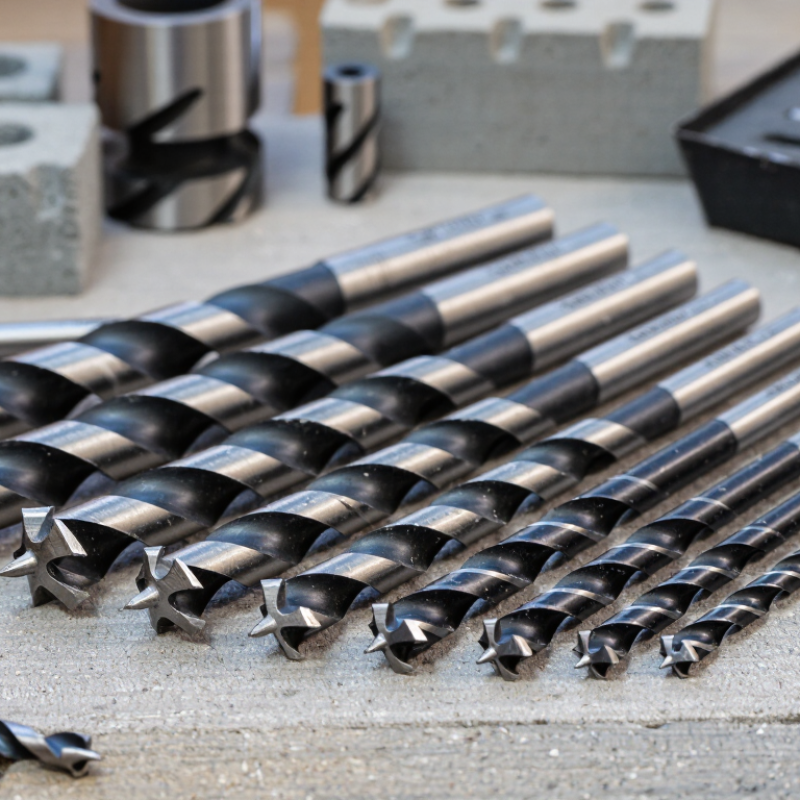
What Is the Best China Pilot Drill Bit for Global Buyers?

What Is a China Pilot Drill Bit and How Does It Work?

A China pilot drill bit is a small guiding cutter manufactured in China. It starts the hole before a larger drill or core tool follows. Small, but critical. The pilot point reduces wandering on curved, coated, or uneven surfaces. It also helps the main cutter stay centered during entry. Common designs use high-speed steel, carbide, or hardened alloy tips. The correct choice depends on the workpiece, cutting speed, and required hole diameter.

During drilling, the pilot tip contacts the material first and creates a narrow guide hole. Flutes then remove chips and carry cutting fluid toward the surface. The larger cutting section enlarges the opening around that guide. Excessive pressure can bend the shaft, damage the tip, or create an oversized hole. A steady feed is safer than forcing the bit. Short pauses may help when chips pack inside deep material.

Global buyers should check pilot diameter, shank size, concentricity, hardness, and surface finish. Runout is especially important; even slight misalignment can cause vibration at high speed. Reliable suppliers should provide dimensional records and sample-testing details. Packaging also deserves attention, because blunt edges often result from poor transport protection. In practical inspections, I would test several pieces rather than trust one sample. That approach takes longer. It also exposes inconsistent heat treatment or uneven grinding, weaknesses that product photographs cannot reveal.

Which Materials and Designs Suit Different Drilling Applications?

Choosing the best China pilot drill bit depends on the material, not the country of origin. A bit for soft pine needs a sharp brad point and open flutes. Masonry demands a carbide tip, while stainless steel benefits from cobalt-alloy high-speed steel. The wrong geometry can create heat, wandering, and a rough entry hole.

The U.S. Geological Survey’s Mineral Commodity Summaries 2024 reports that China produced roughly four-fifths of global mined tungsten in 2023. That matters because tungsten carbide remains valuable for abrasive concrete, brick, and stone applications. For repeated masonry work, buyers should check carbide grade, tip brazing, shank accuracy, and impact resistance. For metal fabrication, a split point can reduce walking, while a 135-degree point often improves centering on harder sheet.

Woodworkers may prefer a pilot bit with a brad point, short cutting edges, and a clean chip path. Composite panels need caution. Excessive pressure can delaminate the surface, so a carbide edge and controlled speed are usually safer. The International Trade Centre’s trade data also shows strong global movement in hand tools and interchangeable tool components, but trade volume does not prove drilling performance. A practical sample test still matters. Measure entry-hole diameter, heat buildup, runout, and service life after identical cycles. There is no perfect universal bit. That idea sounds convenient, but it often fails in real workshops.

How to Evaluate China Pilot Drill Bit Quality and Performance

For global buyers, a China pilot drill bit should be judged by measured performance, not appearance. During workshop inspections, I check the pilot tip under magnification. The cutting edges should meet evenly. Uneven edges can create wandering, vibration, and oversized holes. Small details matter.

Material quality comes next. Ask for the steel grade, heat-treatment range, and hardness test results. A reliable supplier should provide inspection records and production samples. The bit should resist bending without becoming dangerously brittle. This balance is easy to claim and harder to prove.

Request a controlled trial using the same steel, feed rate, and drilling machine. Measure hole diameter, entry position, cutting time, and tip wear.

Check the shank and body for runout. A dial indicator can expose poor alignment quickly. Excessive runout often leaves circular marks around the hole. Chip channels should carry debris away without clogging. The pilot length also needs to match the application. A very short pilot may slip, while an overly long pilot can flex.

Coating may improve wear resistance, but it cannot repair weak geometry. I once saw a bright finish hide rough cutting edges. That mistake was expensive. Review sample consistency, packaging protection, and replacement procedures before placing a large order. Independent inspection is worthwhile when tolerances are tight. Supplier claims deserve evidence.

What Standards and Certifications Matter for Global Buyers?

What Is the Best China Pilot Drill Bit for Global Buyers?

For global buyers, the best pilot drill bit is not chosen by price alone. Its standards and certifications must match the intended application. For general metal drilling, buyers may request dimensional control aligned with DIN 338 or comparable ISO requirements. These references help verify diameter, shank size, point geometry, and allowable tolerances. The exact standard still matters. A supplier should state which clauses apply.

Ask for a material certificate showing the steel grade and heat-treatment results. Hardness records, coating details, and runout measurements add practical confidence. A useful inspection checks whether the bit runs smoothly in a chuck. Even a small wobble can enlarge a pilot hole.

Test reports should identify the tested batch, inspection method, and laboratory. Generic certificates are weak evidence.

Compliance documents also deserve careful review. RoHS and REACH declarations can support market access where applicable. CE marking is not automatically required for every standalone drill bit. It should not be used as a general quality label. ISO 9001 certification can indicate controlled production, but it does not prove that every bit performs well. Buyers should compare certificates with product drawings, samples, packaging, and traceability records. Paperwork may look complete while coating thickness varies between batches. That is an uncomfortable detail, but it deserves attention. A small sample test can reveal more.

How to Select a Reliable China Pilot Drill Bit Supplier

Selecting a reliable China pilot drill bit supplier requires more than comparing prices. Start by checking the supplier’s manufacturing experience, material knowledge, and quality control process. Ask whether they use hardened tool steel, consistent heat treatment, and precise grinding equipment. A trustworthy supplier should explain how the pilot point stays centered during drilling.

Request technical drawings, tolerance data, and a recent inspection report. Product samples matter. Test them on your actual material, drilling speed, and work conditions. Check whether the bit starts smoothly, resists bending, and leaves a clean entry hole. Small differences become obvious quickly. Do not rely on catalog photographs alone.

Supplier communication also reveals operational reliability. Clear replies, stable lead times, and protective export packaging reduce avoidable problems. Confirm sample approval, batch inspection, replacement terms, and document accuracy before placing a larger order. Ask how they manage raw material changes. Some suppliers answer confidently but provide vague evidence, which deserves careful review. No supplier is perfect. Even a capable factory may miss a tolerance or delay one shipment. A pilot order can expose that weakness before it becomes expensive. Use written specifications and keep test records. This makes quality decisions more objective, especially when buyers and factories work across different languages and time zones.

What Is the Best China Pilot Drill Bit for Global Buyers?

The chart presents a practical procurement benchmark for evaluating a China pilot drill bit supplier. Dimensional consistency and material or coating quality receive the highest weighting because they directly affect drilling accuracy, tool life, and finished-hole quality. Buyers should also verify inspection reports, production flexibility, lead-time performance, quality systems, and export documentation before placing an order. These percentages are planning guidelines rather than results from a specific company or brand survey.

FAQS

What is a China pilot drill bit?

It is a small guiding cutter made in China. It starts a hole before a larger drill follows. Small, but important.

How does a pilot drill bit work?

The pilot tip enters first and creates a narrow guide hole. The larger cutting section then enlarges it. Flutes remove chips and carry cooling fluid outward.

Which pilot drill bit suits wood, metal, masonry, and composites?

Soft wood usually needs a sharp brad point and open flutes. Stainless steel benefits from cobalt-alloy high-speed steel. Masonry needs a carbide tip. Composite panels require controlled speed and light pressure.

What happens if the wrong design is selected?

The bit may wander, overheat, or create a rough entry hole. Excessive pressure can cause delamination or bending. The mistake is not always obvious immediately.

Which specifications should buyers check?

Check pilot diameter, shank size, concentricity, hardness, surface finish, and runout. Match pilot length to the material depth. A long pilot may flex.

How can buyers test product quality?

Test several pieces under identical conditions. Measure hole diameter, entry position, cutting time, heat, and tip wear. One sample can mislead.

Why is runout important?

Runout means the bit does not rotate perfectly around its center. Even slight misalignment can cause vibration and circular marks. A dial indicator reveals it quickly.

Does coating guarantee better performance?

No. Coating may improve wear resistance, but it cannot fix poor geometry. Bright surfaces can hide rough edges. I would inspect the cutting edges under magnification.

What packaging and supplier records matter?

Protective packaging should prevent blunt edges during transport. Request steel grades, heat-treatment records, hardness results, dimensional reports, and sample-testing details. Claims need evidence.

Is there one universal pilot drill bit?

No. Material, speed, hole size, and drilling depth change the correct choice. A convenient universal solution often fails in real workshops.

Conclusion

Choosing the best China Pilot Drill Bit for global buyers requires more than comparing prices. A pilot drill bit creates an accurate starting hole, guiding larger cutting tools and helping reduce wandering, vibration, and material damage. The ideal design depends on the application, including the workpiece material, hole size, drilling depth, machine type, and operating conditions. Options may vary in tip geometry, shank style, coating, and construction materials to suit wood, metal, masonry, or composite surfaces.

To evaluate quality, buyers should review dimensional accuracy, hardness, wear resistance, cutting stability, and consistency between production batches. Relevant testing records, quality-control procedures, and certifications aligned with the destination market can also support safer and more reliable purchasing decisions. A dependable supplier should provide clear technical specifications, sample testing, production capability, inspection documentation, responsive communication, and stable delivery performance. By assessing both product performance and supplier reliability, buyers can select a Pilot Drill Bit that offers dependable results and long-term value.


Sophia

Sophia

Sophia is a dedicated marketing professional with an exceptional depth of knowledge about her company's products and services. With a keen understanding of market trends and customer needs, she crafts insightful blog posts that not only inform but also engage readers, enriching the company’s online......